
Office Innovations Designs In Workplace

When we’ve written about office design, Office Innovations Designs In Workplace trends before, we’ve emphasised trends that improved employee happiness and productivity. Office Online with tons of office chairs to choose from.
We highlighted that inspired by the new world of work movement, firms cannot afford to leave either of these to change if they wish to create a joyful culture. And it’s backed up by science.
Employee well-being and productivity are still crucial in 2025, in keeping with pandemic-era workspace whether its office space, Office Innovations Designs In Workplace from home or industrial office innovations designs workplace. However, our predictions for this year’s Office Innovations Designs In Workplace trends have drastically changed.
When it comes to office design in the COVID-19 age, keeping employees safe from health threats is the first priority.
-

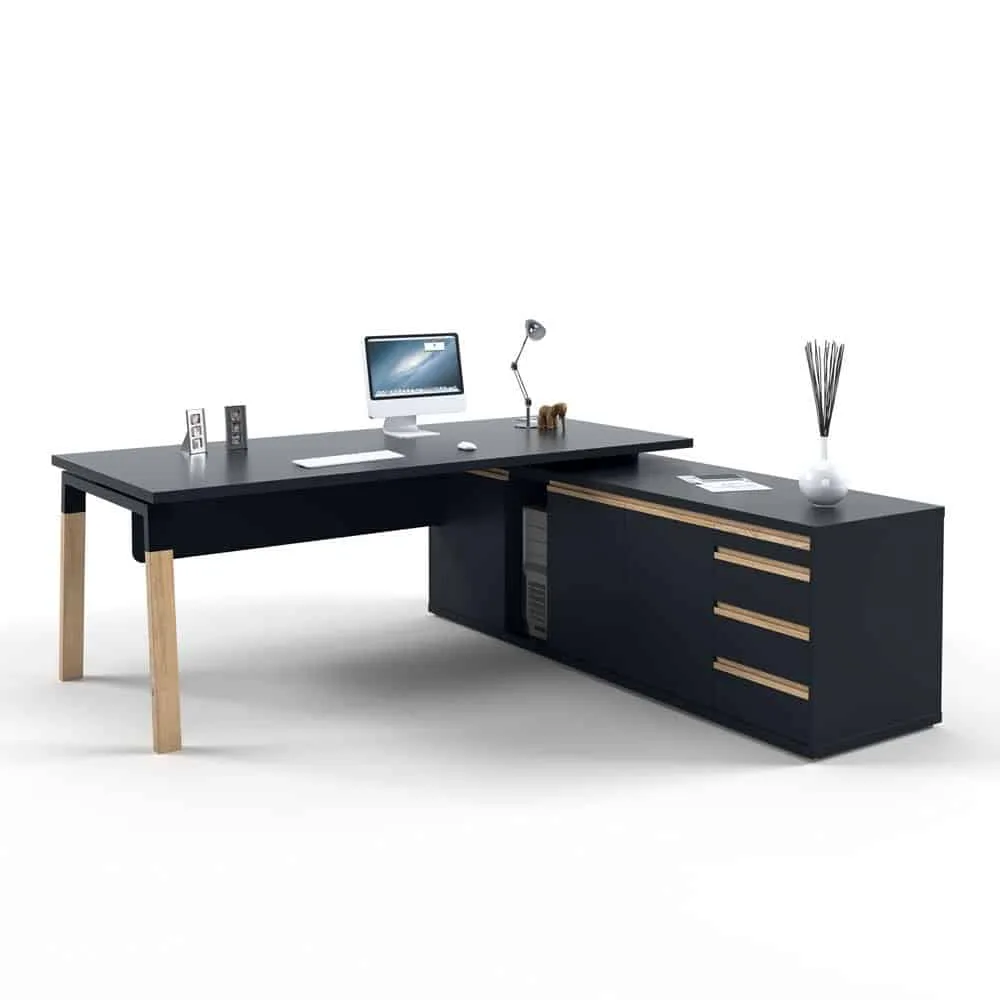
1.6m Straight Desk Dark Oak with Fixed Pedestal
R7.518,21 Add to basket -

1.6m Straight Desk with Fixed Pedestal
R7.518,21 Add to basket -
Promo 10%

10 Way Cluster Desk Platinum Range
Original price was: R39.999,00.R35.999,00Current price is: R35.999,00. Select options This product has multiple variants. The options may be chosen on the product page -
Promo 10%

2 Way Cluster Extended Cluster Up To
Original price was: R8.999,00.R8.099,10Current price is: R8.099,10. Select options This product has multiple variants. The options may be chosen on the product page -
Promo 9% New

2-way Cluster Desk Frame Dual Desk
Original price was: R7.299,00.R6.635,50Current price is: R6.635,50. Add to basket -

2-Way Cluster With Tall Boy
Price range: R13.500,00 through R14.500,00 Select options This product has multiple variants. The options may be chosen on the product page -

2.2m Dark Oak Executive Desk with Matching Fixed Credenza
R16.956,31 Add to basket -
Promo 17% New

2000mm STLA18-20 MDF Desk & Credenza Set
Original price was: R14.500,00.R11.999,00Current price is: R11.999,00. Add to basket -

2m Dark Oak Executive Desk with Matching Fixed Credenza
R13.971,23 Add to basket -

4 way cluster desk connect
Price range: R13.748,75 through R14.998,75 Select options This product has multiple variants. The options may be chosen on the product page -

4 Way Cluster Desk Connect Face to Face Bench System
Price range: R15.890,00 through R17.999,00 Select options This product has multiple variants. The options may be chosen on the product page -
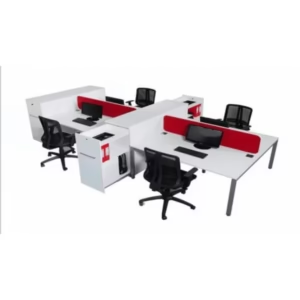
4-Way Cluster With Tallboy
Price range: R22.500,00 through R25.500,00 Select options This product has multiple variants. The options may be chosen on the product page

Office Changes An Employee Can Access
Employees and companies alike are reconsidering their office innovations designs workplace layouts as a consequence of the pandemic. While many offices implemented temporary health and safety measures, there were also significant long-term changes that would persist even after the pandemic fears fade.
In the last year, more individuals have become aware of the significance of health and safety measures in protecting our well-being. We altered our minds on office innovations designs in workplace safety and sanitation after a year of wearing a mask, handwashing frequently, and significant discrepancies. The workspace Johannesburg area covers the COVID-19 regulations.

Some ways offices are adapting in their office layouts include:
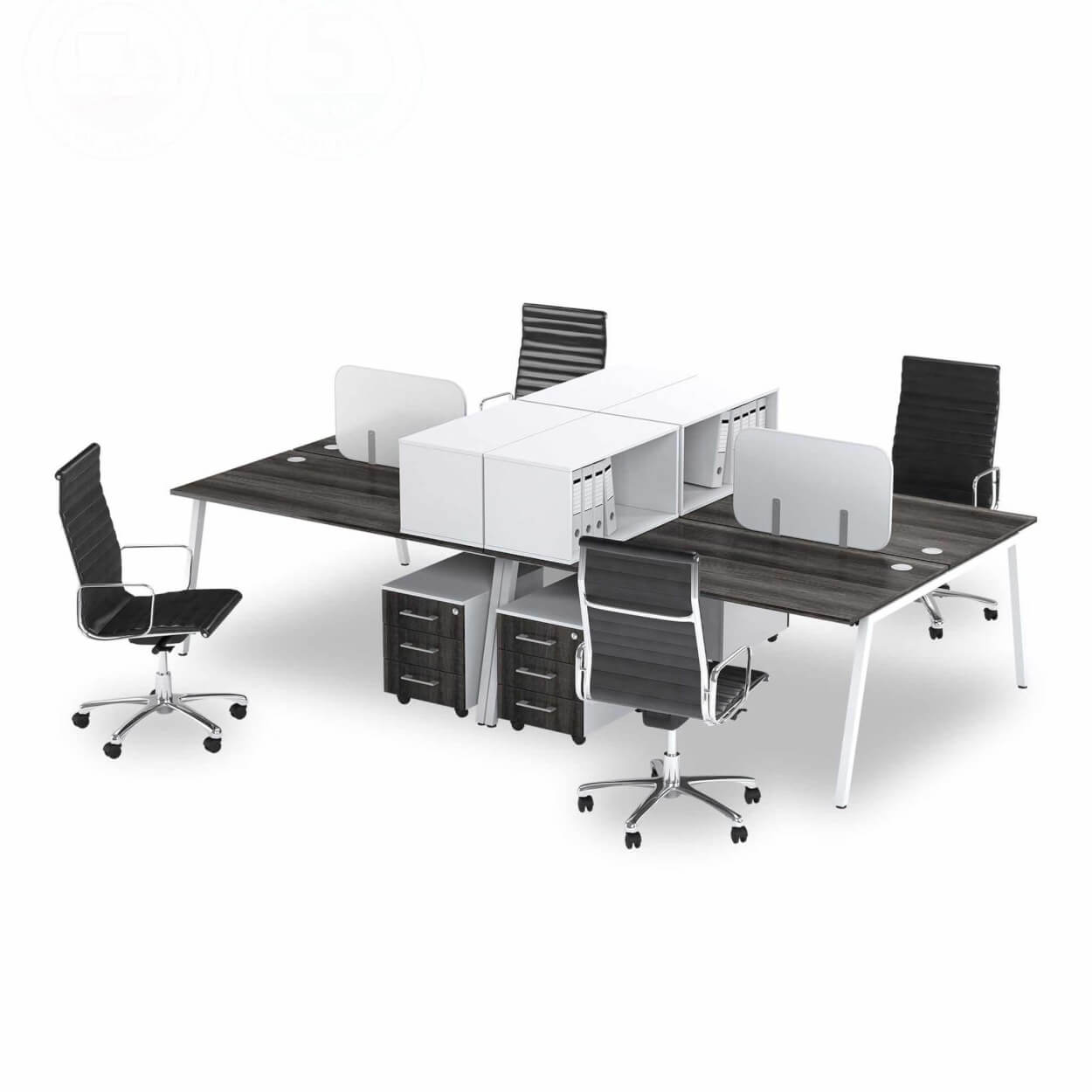
- Desk pods. While plastic shields keep the place clean, they can make teamwork and communication difficult. Many firms employ desk pods to promote both safety and teamwork by allowing three to four workers to collaborate while maintaining a safe distance.

- Desk distancing. Managers may talk to employees about the importance of social distancing, but an office architecture that promotes separating is more successful. To make it easier for employees to maintain their distance, many offices are alternating desks and workspaces and having them face away from one another.
- Outdoor offices. Outdoor activities with plenty of ventilation have a decreased risk of contracting COVID-19 than indoor activities, as according research. While not feasible in all regions, many offices are constructing outside offices to aid improve safety.
- Smaller conference areas.
Smaller conference rooms are now more likely for use by small groups. But instead of two or three people speaking in a small cubicle, which might be dangerous, they can keep a distance without taking up a large conference room.
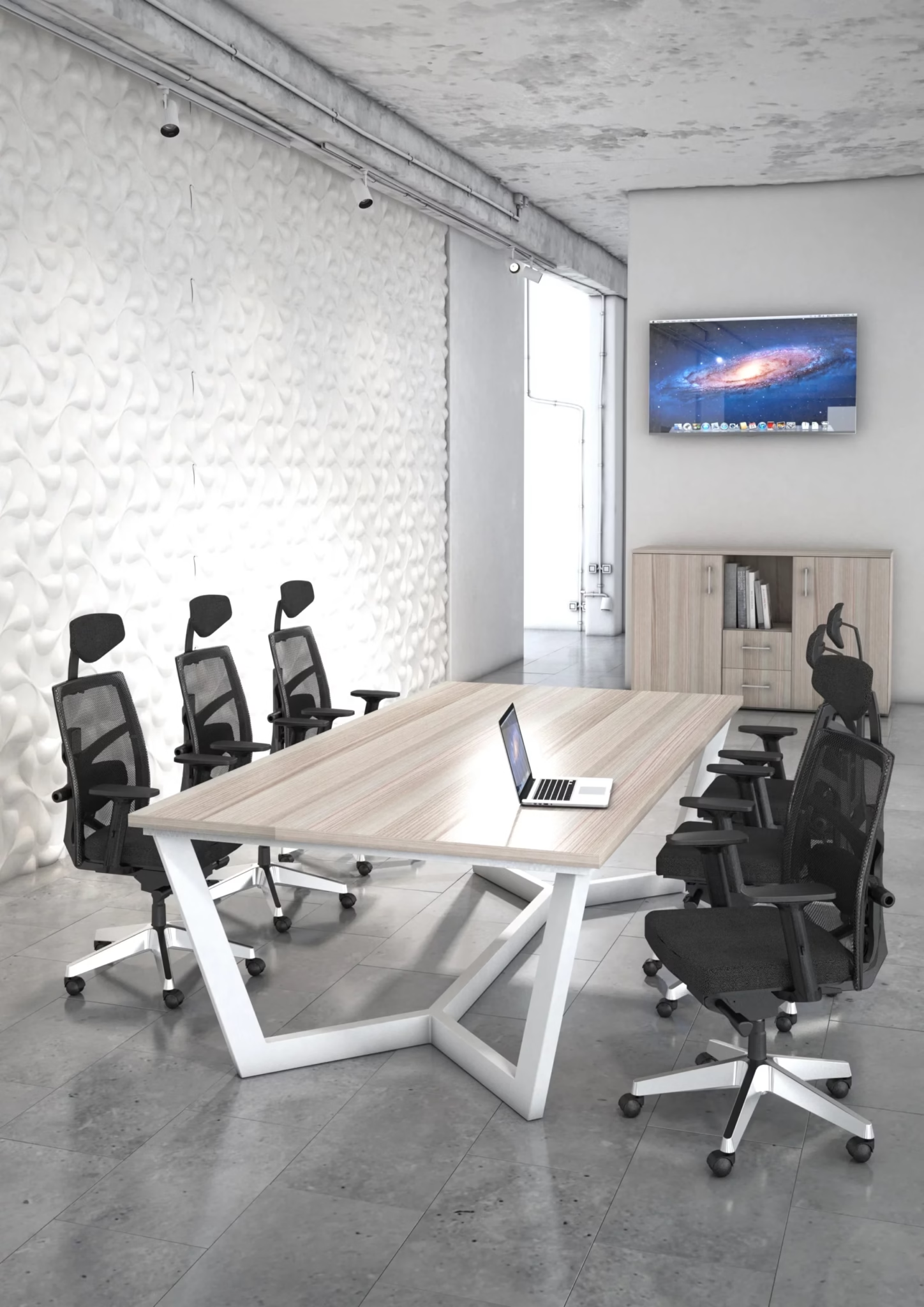
Office layouts can foster healthy habits to make employees feel more at ease while returning from remote work. They can also promote a collaborative environment while still ensuring the safety of their employees.
In 2021, what will become the most popular office design trends?
We wish to study more about how the workplace – and the technologies within it – are changing as a result of the pandemic. Little Lots Electronic Store Online
Office Furniture Warhouse Online


While safety is the overarching theme of today’s office design trends, many also aim to improve employee welfare and enjoyment at the same time.
As a result, we solicited counsel and inspiration from Kay Sargent, Senior Principal – Director of Workplace HOK and a top workplace strategy expert, and her team.
(And for more, check out this conversation featuring Kay and other office design experts during Proxyclick’s Return Ready Virtual Summit in 2020).
Here are the top office design trends we’re expecting to emerge in the months to come.
1. The Office, Especially Remote Working, is here to stay.
During the COVID-19 health crisis, remote working became unquestionably crucial for business continuity.
Now that many businesses have reopened, the ability to work from home (or from anywhere) would seem to be a preferred solution.
Indeed, remote working can boost productivity and recruitment while cutting company costs.
But as some organizations realize they need to better adapt to remote working, Sargent and the team stress that “just because you can, doesn’t mean you should.”

Just because your business has full-time remote working capabilities at its fingertips doesn’t mean you’re ready to entirely abandon office life.
You’ll need to consider things like corporate culture, demographics, employee work patterns, and more to see if it makes sense.
Allowing workers to strike the right balance will become increasingly vital; some may opt to come into the workplace only a few days a week.
The freedom to avoid the journey, as well as the opportunity to work face-to-face with colleagues, appears to be the winning answer.
This promotes work-life balance and overall employee satisfaction.
Working in an office strengthens humanity and innovation, purpose, energy, wellbeing, talent, culture, and beyond, as according work environment sociologist Tracy Brower, whose recently wrote in Forbes that “the office is here to stay.”
2. Strict sanitation procedures embedded in office design.
Organizations will need to make it easier for employees to keep up with proper hygiene in the COVID-19 era. According to HOK, that may mean adding sinks in kitchens and break rooms, or putting multiple hand sanitizer dispensers in key places around the office.
It will also be key to make other adjustments to help with office sanitation, such as assigning lockers, file drawers, or cabinets to individuals. Trash cans should be placed in communal areas (versus at individual desks) to consolidate sanitation.


3. Unassigned seats with shielding and boundaries in the modern office.
The need to collaborate effectively within teams and across departments inspires new forms of meeting spaces in offices.
That led to the pre-COVID-19 trend called ‘hot desking,’ which does away with the traditional personal working space, and instead makes employees choose where to sit every day on a first-come-first-served basis. Hot desking disrupts old-fashioned office designs by including different co-working zones such as think spaces.
The good news: the ability for workers to sit wherever they want (and therefore, better collaborate) isn’t going anywhere.
While assigned seating and keeping to one’s own space would seem to be a sanitary option, HOK indicates that offices with assigned seats usually have desks “proven to be dirtier than many toilets.” That’s because cleaners are often told not to touch objects on people’s desks. In offices with unassigned seats, desks can be deep cleaned each night and are therefore more sanitary.
Modern office design will also need to include more boundaries or barriers like curtains, walls, or shields so that employees can choose seats that allow them to distance themselves from others. Seats will also need to be placed so that colleagues don’t need to directly face one another.