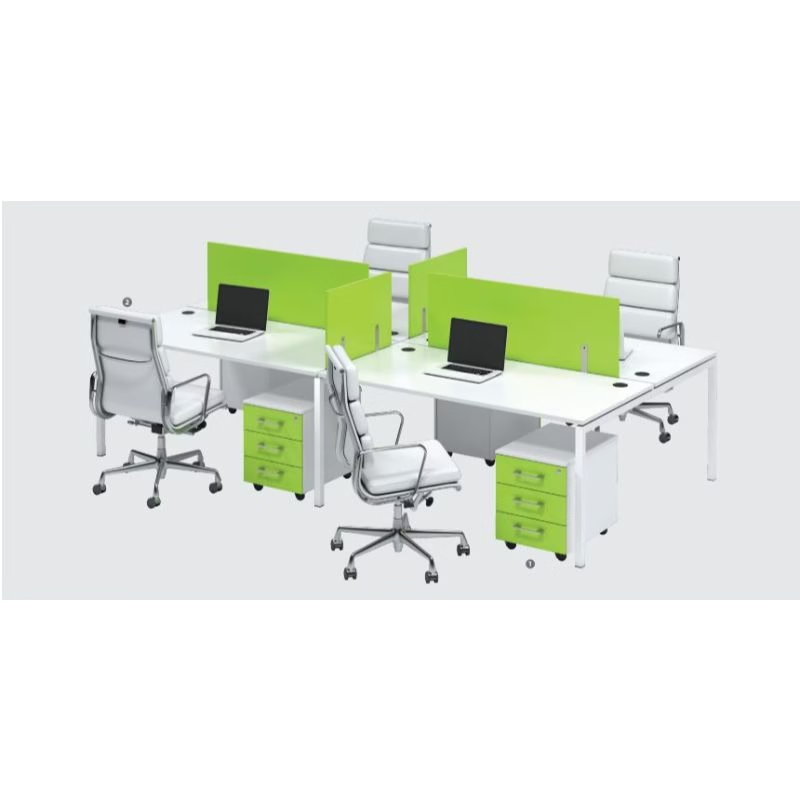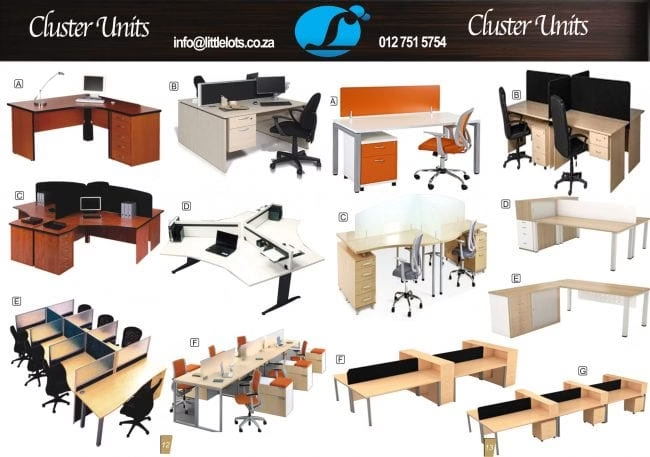
Modern office furniture space the ergonomic desks, standing desks, adjustable desks, sit-stand desks, ergonomic office furniture, healthy workstations
-
Promo 10%

2 Way Cluster Extended Cluster Up To
Original price was: R8.999,00.R8.099,10Current price is: R8.099,10. Select options This product has multiple variants. The options may be chosen on the product page -

4 way cluster desk connect
Price range: R13.748,75 through R14.998,75 Select options This product has multiple variants. The options may be chosen on the product page -

4 Way Cluster Desk Connect Face to Face Bench System
Price range: R15.890,00 through R17.999,00 Select options This product has multiple variants. The options may be chosen on the product page -
4-Way Cluster With Tallboy
Price range: R22.500,00 through R25.500,00 Select options This product has multiple variants. The options may be chosen on the product page -
A-Frame 2-Way Cluster Desks
Price range: R5.999,00 through R7.999,00 Select options This product has multiple variants. The options may be chosen on the product page -

A-Frame 4 Way Face to Face Cluster
Price range: R15.890,00 through R17.999,00 Select options This product has multiple variants. The options may be chosen on the product page -
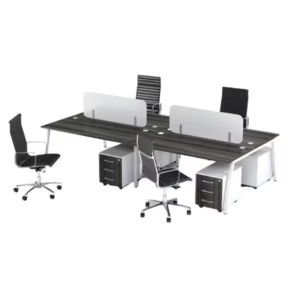
A-Frame 4-Way Cluster 2 Screens No Pedestals
Price range: R10.999,00 through R17.999,00 Select options This product has multiple variants. The options may be chosen on the product page -
Promo 23%

B037 4-Way Cluster Desks
Original price was: R38.999,00.R29.999,00Current price is: R29.999,00. Add to basket -
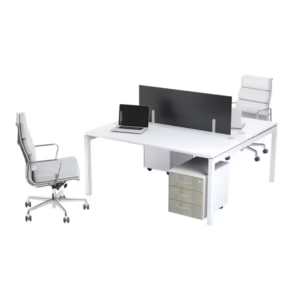
Connect 2 Way Cluster Desks White Grande
R8.250,00 Add to basket -
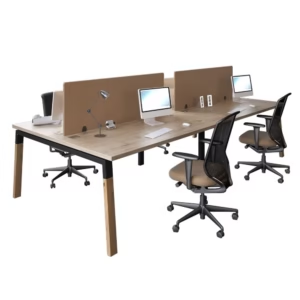
Crestwood 4 Way Cluster
Read more -
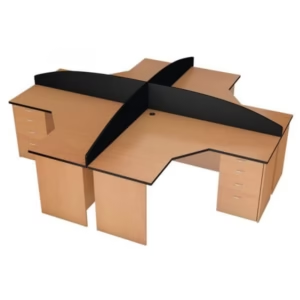
Data Network Cluster Desk 4 Way Cluster Desk With Screens
R16.999,00 Add to basket -

Desk Based Screens 4 Way Cluster
R36.899,00 Add to basket -

Intern Desking 4 Way Cluster Desk
R19.800,00 Select options This product has multiple variants. The options may be chosen on the product page -
Promo 20%
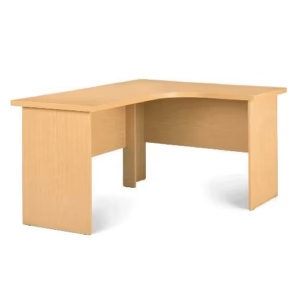
L shape Desk | Cluster Desks LHS or RHS
Original price was: R6.250,00.R4.999,00Current price is: R4.999,00. Add to basket -
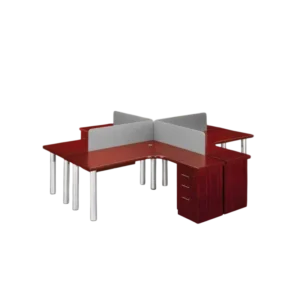
L.A 4 Way Cluster Desk | Mahogany Veneer Set
R35.900,00 Select options This product has multiple variants. The options may be chosen on the product page -
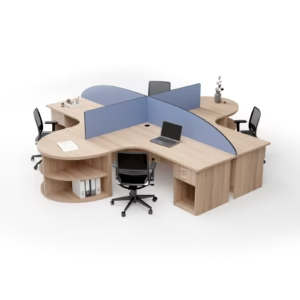
Luna 4-Way Cluster With Storage
R25.999,00 Add to basket -
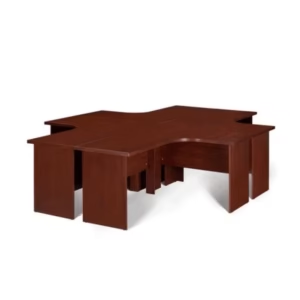
Lunar 4 Way Cluster No Screen Dividers
R13.949,00 Add to basket -
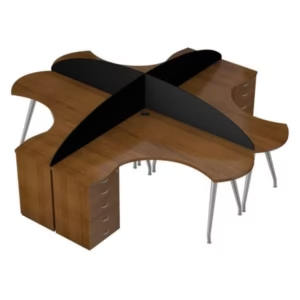
Lunar 4 Way Cluster With Screens And 5 Drawer Pedestal
R25.500,00 Add to basket -
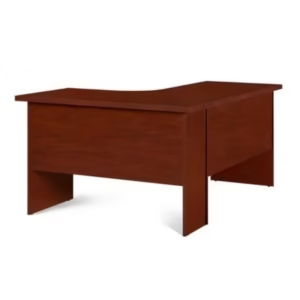
Mega Cluster L Shape Desk Melamine Panels
Price range: R4.983,00 through R4.999,00 Select options This product has multiple variants. The options may be chosen on the product page -
Promo 9%

New Age 4-Way Unit
Original price was: R32.999,00.R29.999,00Current price is: R29.999,00. Add to basket -
Promo 6%

Smart Compact Cluster System Screens And Pedestals
Original price was: R21.275,00.R19.999,00Current price is: R19.999,00. Add to basket -
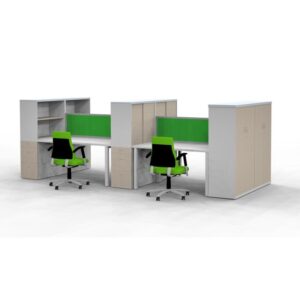
Storage 4-Way Cluster Desks – Complete Workspace Solution
R35.999,00 Select options This product has multiple variants. The options may be chosen on the product page -
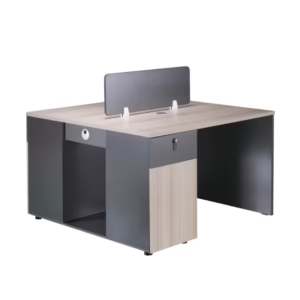
System 2 Way Cluster Workstation – Extends to 10 Seater
Price range: R8.999,00 through R53.994,00 Select options This product has multiple variants. The options may be chosen on the product page -
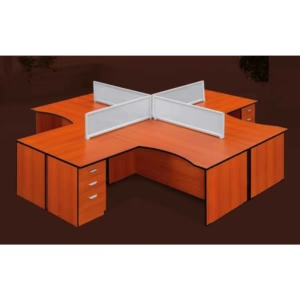
Wave Cluster Desk Cherry Melamine
R17.999,00 Add to basket

reception furniture deals, office reception desks, lobby furniture sets, waiting area chairs, reception area design, commercial furniture discounts, modern reception furniture, reception counter deals, visitor seating solutions, corporate furniture sales
Quality Filing Cabinets Sale | Office Storage Solutions
Top Reception Furniture Deals in South Africa Today
Revealed: Top 6 Trends Shaping Modern Office Spaces
1. Flexible and Hybrid Workspaces
Offices in 2025 are designed for adaptability, supporting both in-person and remote work. This means more spaces with movable walls, modular furniture, and hot-desking systems that let employees choose where and how they work each day. Hybrid hubs are replacing traditional layouts, blending areas for collaboration with zones for quiet, focused work.
2. Employee Well-being and Wellness Design
Modern offices prioritize health and happiness. Expect to see more wellness rooms, ergonomic furniture, standing desks, and even fitness or meditation areas. These features help reduce stress, boost productivity, and support talent retention by creating environments where employees feel valued and comfortable.
3. Sustainability and Green Design
Eco-friendly practices are central to new office designs. Companies are using recycled materials, maximizing natural light, and incorporating plants, living walls, and energy-efficient systems. Green certifications like LEED and WELL are increasingly common, reflecting a commitment to environmental responsibility and employee wellness.
4. Smart Technology Integration
Offices are becoming smarter with IoT sensors, touchless controls, and AI-powered tools. These technologies monitor air quality, automate lighting and temperature, and streamline collaboration for both in-office and remote workers. Seamless connectivity and digital whiteboards are standard, enhancing productivity and supporting hybrid teams.

5. Task-Based and Collaborative Zones
Instead of one-size-fits-all layouts, offices now feature designated zones for different activities: brainstorming, focused work, meetings, and informal gatherings. This task-based zoning minimizes distractions, supports diverse work styles, and helps employees perform at their best.
6. Inclusivity and Neurodiversity
Designers are creating spaces that cater to a wide range of needs, including those of neurodiverse employees. This includes quiet pods, sensory-friendly areas, and adaptable environments that support physical and cognitive diversity, ensuring everyone can thrive in the modern workplace.
These six trends are redefining what it means to work in a modern office, focusing on flexibility, well-being, sustainability, technology, collaboration, and inclusivity to meet the evolving needs of today’s workforce.