
Why Your Receptionist Desks Matters More Than You Think
When clients step into your office, what’s the first thing they see? Your reception desk stands as the physical embodiment of your brand—the cornerstone of first impressions that can make or break client relationships before they even begin. Beyond mere aesthetics, today’s receptionist desks function as sophisticated command centers, blending technology, ergonomics, and strategic design to elevate both visitor experiences and staff productivity.
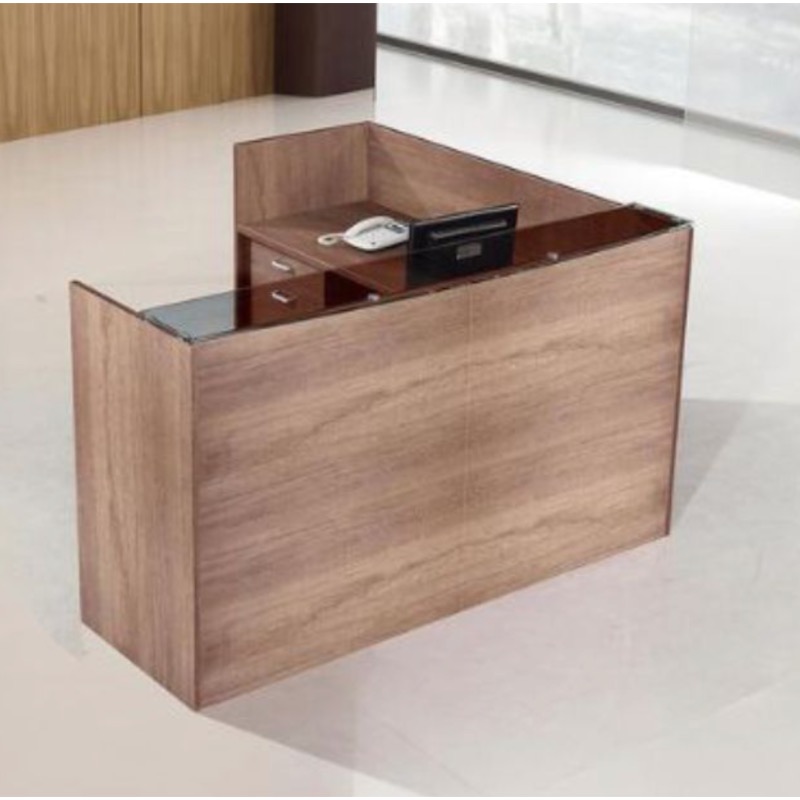
In this comprehensive guide, we’ll explore everything you need to know about selecting, designing, and optimizing your reception area’s most important feature. From understanding different desk styles to incorporating cutting-edge technology, we’ll help you create a reception space that impresses visitors while supporting your front-desk team’s daily operations.
The Psychology of Reception Design: First Impressions Matter
Research from Harvard Business School confirms what many business owners intuitively understand: first impressions form within seconds and significantly influence how people perceive your entire organization. Your reception desk plays a pivotal role in shaping these impressions.
“The reception area functions as your company’s handshake,” explains Dr. Leslie Harrington, Executive Director of the Color Association of the United States. “It communicates your values, attention to detail, and how you prioritize both clients and employees.”
-
3 Seater Reception Unit – Salon Straight Reception
R18.999,00 Add to basket -
Promo 14%
Alpha Reception Unit Double Pedestals
Original price was: R18.500,00.R15.999,00Current price is: R15.999,00. Add to basket -

Aurora Reception Counter Unit
Read more -

Beta Reception Counter WalnutNo Pedestal
R8.999,00 Add to basket -

Boston Reception Desk Unit
R28.900,00 Add to basket -

Cubiko Reception Counter
Read more -

Curved Reception Unit
Price range: R15.500,00 through R19.999,00 Select options This product has multiple variants. The options may be chosen on the product page -
Double Calypso Reception Counter
R17.999,00 Add to basket -
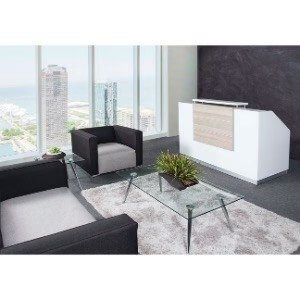
Euro Reception Unit
R8.999,00 Add to basket -
Promo 15%

Evolution Reception Counter
Original price was: R16.500,00.R13.999,00Current price is: R13.999,00. Add to basket -
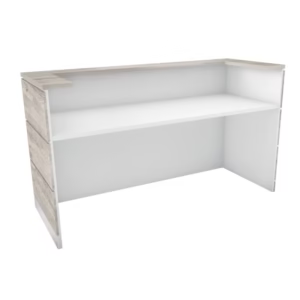
Finesse Reception Unit
R7.999,00 Add to basket -
Promo 13%

Freeline Reception Unit Desk
Price range: R13.999,00 through R16.999,00 Select options This product has multiple variants. The options may be chosen on the product page -
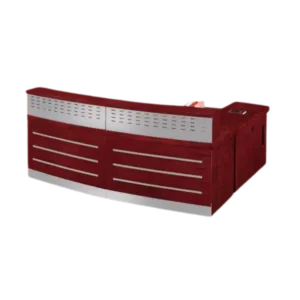
Frontline Reception Unit in Mahogany Veneer Finish with Credenza
R35.418,39 Add to basket -
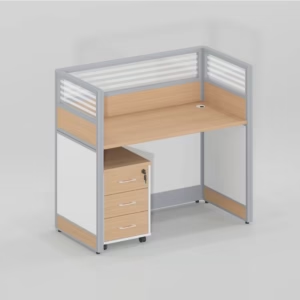
Glass Glow Frontline Reception Desk
R6.999,00 Add to basket -
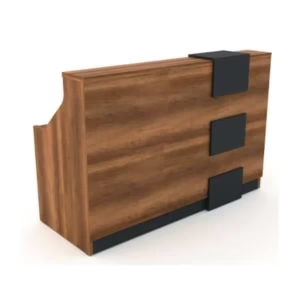
Gm-Reception Unit
R11.890,00 Add to basket -
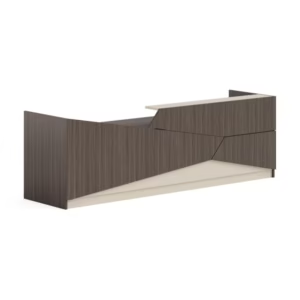
Harley Reception Counter
R14.173,00 Add to basket -
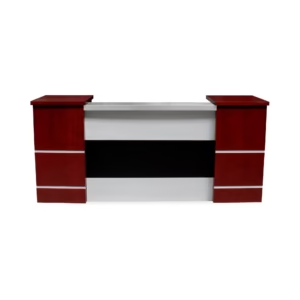
Kingdom Reception Unit
R12.999,00 Add to basket -
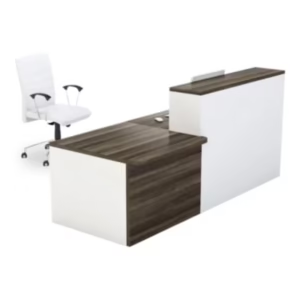
Lamont Reception Counter Desk + Free Mobile Pedestal
R16.078,00 Add to basket -
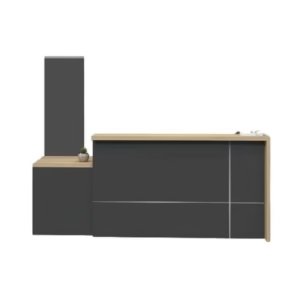
Lit Furn Modern Reception Unit 2200mm
R9.999,00 Add to basket -
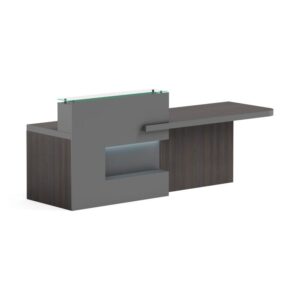
Modern Glass Top Reception Unit
R8.999,00 Add to basket -
Promo 7%
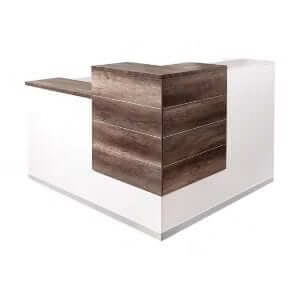
Modern L Shaped Reception Unit
Original price was: R13.999,00.R12.999,00Current price is: R12.999,00. Select options This product has multiple variants. The options may be chosen on the product page -

Modern reception Counter Unit Straight
Read more -

Modern Straight Reception
R14.999,00 Select options This product has multiple variants. The options may be chosen on the product page -

Monaco Reception Unit Veneer Reception Counter
Read more

According to a 2024 study by Steelcase, companies that invested in thoughtfully designed reception areas reported:
- 34% higher client satisfaction ratings
- 27% improvement in perceived professionalism
- 22% increase in employee pride in their workplace
These statistics highlight why reception desk selection deserves careful consideration rather than afterthought status in your office planning process.
Types of Reception Desks: Finding Your Perfect Match
Traditional Reception Counters
Best for: Law firms, financial institutions, and businesses seeking to convey stability and established professionalism
Traditional receptionist desks typically feature:
- Wood construction (often mahogany, cherry, or walnut)
- Classic detailing with moldings and panels
- Formal, substantial appearance
- Higher counter section for standing visitors
- Lower work surface for seated staff
These desks project permanence and authority, making them ideal for industries where tradition and reliability are valued attributes.
Modern/Contemporary Reception Desks
Best for: Tech companies, creative agencies, and forward-thinking organizations
Contemporary reception desks often incorporate:
- Clean, minimalist lines
- Mixed materials (glass, metal, engineered surfaces)
- Asymmetrical or geometric designs
- Integrated lighting elements
- Technology-friendly features
These designs signal innovation and adaptability—qualities many modern businesses want to highlight.
Modular Reception Systems
Best for: Growing companies, multi-purpose spaces, and organizations anticipating change
Modular systems offer:
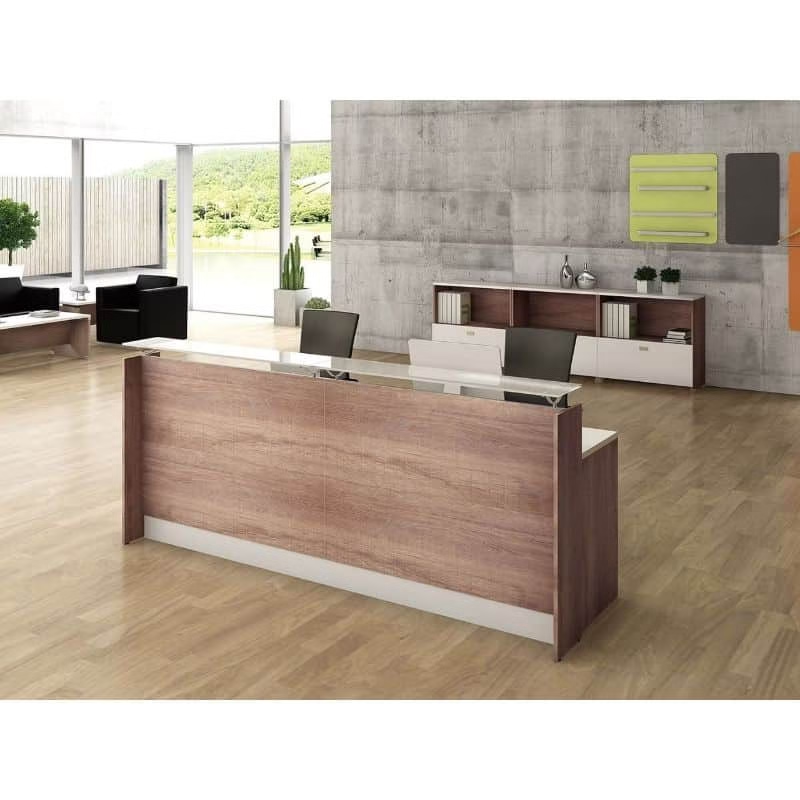
- Reconfigurable components
- Scalability for team expansion
- Option to add or remove sections as needed
- Consistent design language despite modifications
- Cost-effective adaptability
According to Office Snapshots, modular reception systems have grown in popularity by 47% since 2020, reflecting businesses’ increasing need for flexibility.
Custom Reception Installations
Best for: Branded experiences, unique spaces, and companies where design serves as a differentiator
Custom receptionist desks allow for:
- Incorporation of brand elements (logos, colors, shapes)
- Perfect adaptation to unusual spaces
- Statement-making design moments
- Materials and finishes not available in standard offerings
- Integration with architectural features
While typically more expensive, custom installations create memorable impressions that standard solutions cannot match.
Key Considerations When Selecting Your Reception Desk
Space Planning and Dimensions
Before falling in love with a particular design, accurately measure your reception area. Consider:
- Total available space: Allow minimum clearances of 3 feet in front of the desk for ADA compliance
- Staff requirements: Single reception desks typically range from 5-8 feet wide; multi-person stations may extend to 12+ feet
- Counter height: Customer-facing surfaces typically stand 42″ high, while work surfaces sit at standard desk height (29-30″)
- Depth requirements: Allow at least 24-30″ depth for work surfaces to accommodate technology and tasks
According to Interior Architects, the most common reception desk planning mistake is underestimating the spatial needs of modern reception staff.
Reception Desk Materials and Durability
Your reception desk’s materials should balance aesthetic appeal with practical durability:
High-traffic, high-visibility options:
- Solid surface materials (Corian, Avonite)
- Engineered quartz
- Commercial-grade laminates with enhanced wear properties
- Metal facing with powder-coat finishes
- Tempered or back-painted glass accents
Traditional professional settings:
- Hardwoods with commercial finishes
- Stone surfaces (granite, marble)
- Leather paneling with protective coatings
- Quality veneers on structural substrates
According to Material Bank, reception areas face some of the highest wear conditions in commercial environments, making material selection particularly critical.
Technology Integration Requirements
Modern reception desks serve as technology hubs. Consider accommodations for:
- Cable management systems: Grommet holes, concealed channels, and access panels
- Power integration: Built-in outlets, USB ports, and wireless charging stations
- Monitor mounts: Adjustable arms or recessed monitor placement
- Security equipment: Badge printers, visitor management systems, cameras
- Network connectivity: Hardwired connections for reliability
- Future technology needs: Flexibility for equipment upgrades
Gensler Research Institute reports that 73% of companies now consider technology integration capabilities essential in reception desk specifications, compared to just 36% five years ago.
Accessibility and Inclusivity Considerations
Ensuring your reception desk works for everyone isn’t just good practice—it’s often legally required:
- ADA compliance: Include at least one section no higher than 36″ from the floor with knee clearance underneath
- Contrast considerations: Use color contrasts to aid visitors with visual impairments
- Clear approach path: Ensure wheelchair users can easily navigate to and position at the desk
- Sound considerations: Materials that don’t create echo chambers for those with hearing aids
- Multiple interaction heights: Accommodate standing adults, wheelchair users, and children where appropriate
The International WELL Building Institute recognizes accessible reception design as a key component of inclusive workplaces.
Ergonomics: Supporting Your Reception Staff
While visitor impressions matter, your reception staff spend hours daily at this workstation. Ergonomic considerations include:
- Height-adjustable work surfaces: Allow staff to alternate between sitting and standing
- Proper monitor positioning: At eye level, approximately arm’s length away
- Keyboard and input device placement: Positioned to maintain neutral wrist positions
- Storage accessibility: Frequently used items within the “primary zone” of reach
- Chair compatibility: Ensure adequate clearance for proper ergonomic seating
- Foot support: Consider footrests or adequate under-desk clearance
According to a 2024 study by Ergotron, receptionists report among the highest rates of work-related musculoskeletal complaints, highlighting the importance of ergonomic reception desk design.
Branding Your Reception Desk: Making a Statement
Your reception desk offers prime real estate for brand expression:
- Logo integration: Dimensional logos, etched graphics, or backlit brand elements
- Color alignment: Materials and finishes that reflect brand color schemes
- Design language: Forms that echo other brand visuals (curved vs. angular, etc.)
- Brand personality: Materials that reflect brand attributes (technological, sustainable, luxurious)
- Lighting opportunities: Strategic illumination to highlight brand elements
FritzHansen research indicates that branded reception desks increase brand recall by up to 40% compared to generic reception settings.
Modern Reception Desk Trends for 2025
Biophilic Design Integration
Connecting visitors to nature through reception design continues gaining momentum:
- Living green walls behind or integrated with reception desks
- Natural wood finishes, often with visible grain patterns
- Stone and earth-inspired materials and textures
- Water features for visual and acoustic benefits
- Abundant natural light complements the reception zone
Ambius reports that biophilic reception areas reduce visitor stress levels by up to 60% and increase perceived waiting time comfort significantly.
Multi-Functional Reception Solutions
As real estate costs rise, reception desks increasingly serve multiple purposes:
- Reception/cafe combination spaces
- Reception/display opportunities for products or awards
- Reception/collaboration zones with casual seating integration
- Reception/security checkpoint combinations
- Reception/concierge service centers
According to Work Design Magazine, these hybrid reception solutions have increased by 78% in new office builds since 2022.
Health-Conscious Reception Design
Post-pandemic awareness continues influencing reception desk design:
- Touchless check-in technology integration
- Antimicrobial surface materials and coatings
- Subtle physical distancing through desk sizing and configuration
- Improved ventilation considerations in reception planning
- Hand sanitizing stations incorporated into desk design
Herman Miller research indicates 87% of office visitors still prefer seeing visible health considerations in reception design.
Sustainable Reception Solutions
Environmental consciousness has transformed reception desk materials and construction:
- Recycled and upcycled material incorporation
- FSC-certified wood products
- Low-VOC finishes and adhesives
- Energy-efficient lighting integration
- Local material sourcing to reduce carbon footprint
- End-of-life recyclability considerations
Teknion reports that sustainable reception desks have become expected among 62% of clients under age 40.
Reception Desk Budget Considerations: What to Expect
Reception desk investments vary widely based on size, materials, customization, and technology integration:
- Standard manufactured solutions: R2,000-R8,000
- Mid-range customized manufactured options: R8,000-R15,000
- High-end custom designs: R15,000-R50,000+
- Modular systems: Typically R3,000-R12,000 depending on configuration
According to the Business Interiors Association, most organizations spend between 2-4% of their total office furniture budget on reception furnishings.
Consider these cost factors when budgeting:
- Installation requirements and complexity
- Electrical and data integration costs
- Custom material lead times and fabrication expenses
- Designer fees for custom solutions
- Maintenance requirements and long-term care costs
Remember that your reception desk is often your highest-visibility furniture investment, justifying appropriate budget allocation.
How to Work With Professionals: Getting the Best Results
For optimal reception desk selection and implementation, consider these professional partnerships:
Interior Designers
Professional designers bring valuable expertise:
- Space planning optimization
- Material selection guidance
- Brand integration expertise
- Vendor relationships and custom capabilities
- Coordination with overall design scheme
Architectural Millwork Specialists
For custom solutions, millwork fabricators offer:
- Engineering expertise for complex designs
- Material knowledge beyond standard offerings
- Construction techniques for durability
- Integration with building systems
- Installation precision
Office Furniture Dealers
Specialized dealers provide:
- Product knowledge across multiple manufacturers
- Budget-appropriate recommendations
- Installation coordination
- Warranty management
- Future service support
FAQ: Common Reception Desk Questions
How long should a reception desk last?
With proper materials and construction, expect:
- 10-15 years for manufactured systems with quality finishes
- 15-20+ years for custom millwork solutions with proper maintenance
- Consider planning for minor refreshes (surface replacements, technology upgrades) every 5-7 years
What’s the ideal reception desk shape?
The optimal shape depends on your specific needs:
- L-shaped designs: Balance visitor interaction with workspace efficiency
- Curved or circular designs: Create a welcoming, less formal approach
- Straight linear designs: Maximize space efficiency in smaller areas
- U-shaped configurations: Provide maximum work surface and storage for busy reception teams
How can I update my reception desk affordably?
Cost-effective reception refresh strategies include:
- Replacing just the transaction top or visitor-facing panels
- Adding new technology integration without full replacement
- Incorporating new lighting elements
- Refreshing with architectural film applications instead of full replacement
- Adding branded elements to existing structures
Investing in Your Company’s First Impression
Your reception desk represents far more than furniture—it embodies your brand’s first physical interaction with visitors while supporting your frontline team’s daily functions. By thoughtfully considering the design elements, materials, functionality requirements, and brand alignment discussed in this guide, you’ll create a receptionist desks experience that impresses clients while enhancing operational efficiency.
Remember that receptionist desks selection balances art and science—requiring both aesthetic sensitivity and practical consideration of workspace needs. Whether you choose a standard manufactured solution or invest in a fully custom design, prioritizing quality and thoughtful planning will ensure your receptionist desks area successfully serves as your company’s physical handshake for years to come.