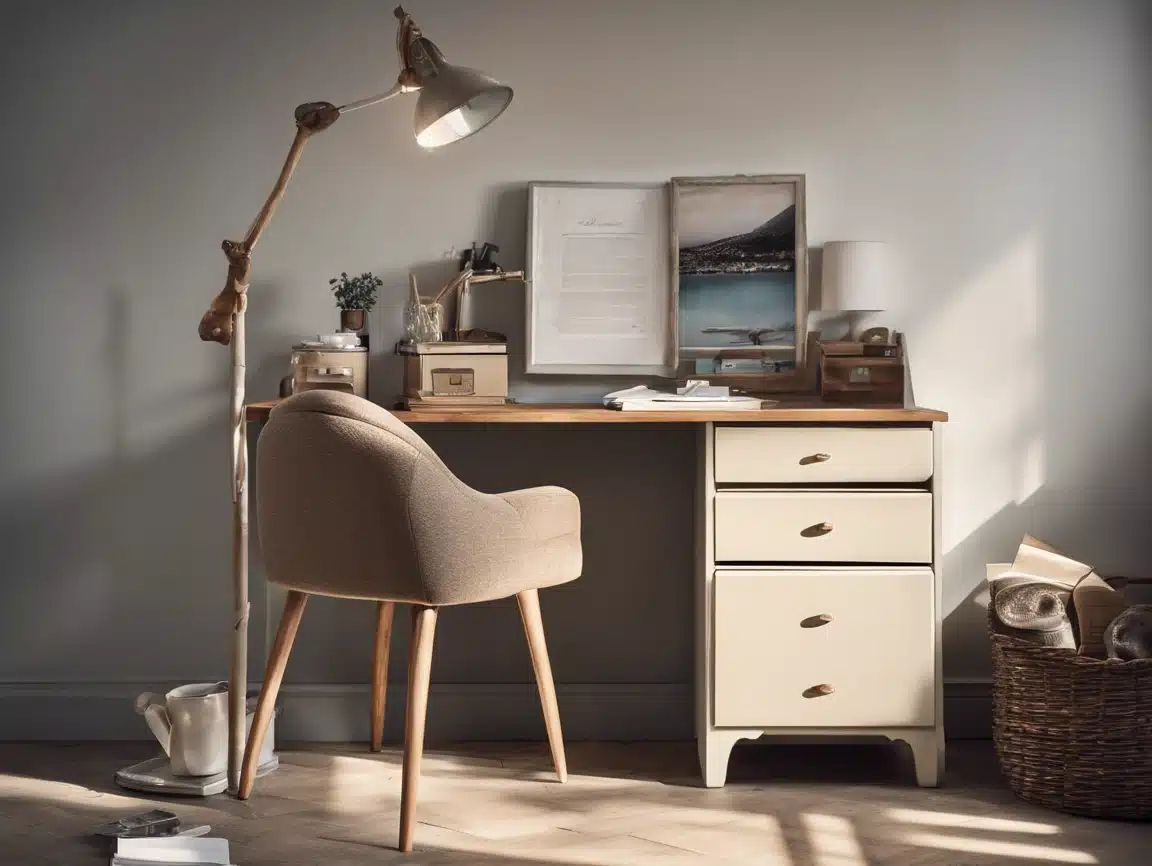
The average worker spends approximately 40 hours a week at their desk, underscoring the critical importance of having a supportive and functional workspace on desks chairs ergonomics.
Identifying the optimal office furniture to elevate comfort and productivity can be a formidable endeavor – one that requires thoughtful consideration and expert guidance.
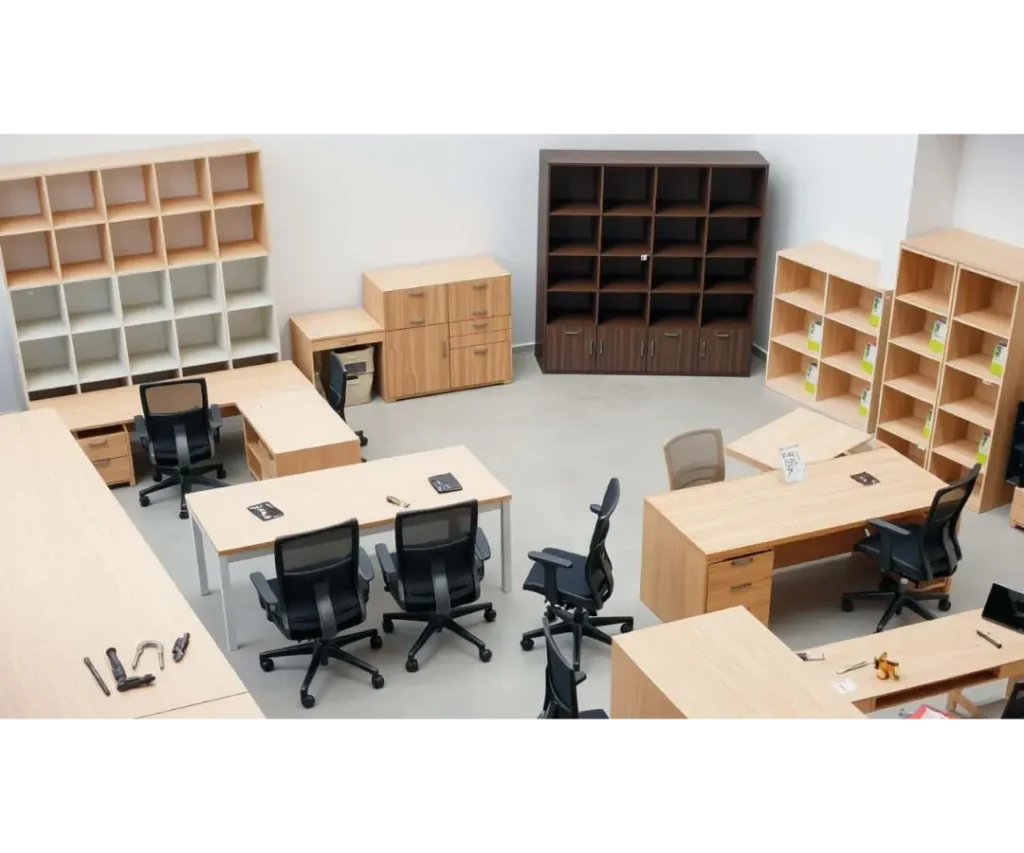
Identifying Your Office Furniture Needs
When approaching the acquisition of office furniture, one must engage in a deliberate assessment of both the current and projected needs. It is essential to analyze the functional requirements of your workspace, including considerations of ergonomics, storage capacity, and technological accommodations. Relating these factors to the volume and type of work will dictate the ultimate selection of office furnishings.
Moreover, envisioning the aesthetic and atmosphere of the office is just as critical as the pragmatic considerations mentioned prior. A “form follows function” philosophy is useful, yet there is room for a blend of both in a well-designed office. Whether looking for a minimalistic, contemporary, or a more traditional setup, one must ensure the chosen furniture aligns with corporate culture and brand identity. In doing so, the carefully selected pieces will not only serve their intended purpose but will also enhance the overall workplace environment.
Evaluating Space and Functionality
In the realm of office furnishings, spatial examination is paramount. Determining dimensions, traffic flow patterns, and potential area constraints is vital for a harmonious workspace layout that promotes productivity.
Cognizance of the office’s specific functional demands is obligatory. Realizing what tasks will be performed, and by whom, guides the procurement of appropriate furniture that embodies both utility and comfort, ensuring a conducive working environment.
Efficient spatial planning directly corresponds with increased workplace efficacy.
When considering office furniture, balance is key. One must juxtapose the needs for collaboration spaces against the requirement for individual workstations, ensuring a layout conducive to the company’s operational modalities. This strategic distribution of space not only optimizes efficiency but also fosters a favorable organizational culture.
Ergonomics and Comfort Considerations
Ergonomics is crucial in selecting office furniture, aiming to minimize discomfort and reduce injury risks.
- Adjustability: Chairs and desks should offer adjustable features to accommodate diverse body types and working positions.
- Support: Lumbar support for chairs and footrest options enhance comfort and prevent strain.
- Material: The quality and breathability of materials used can greatly impact comfort levels during extended use.
- Space: Adequate space under desks for leg movement and proper orientation helps avoid cramped postures.
- Accessibility: Office furniture should be arranged to allow for easy access to frequently used tools and amenities without excessive reaching or twisting.
Proper ergonomics enhance productivity by keeping employees comfortable and focused on their tasks.
Incorporating these ergonomic principles will also express to employees that their well-being is a priority.
Finding Local Office Furniture Sales
Navigating the marketplace for office furnishings entails identifying reputable suppliers who offer quality products that align with ergonomic principles and budgetary constraints. When seeking office furniture for sale near me, it is advantageous to leverage local showrooms and warehouses, as they provide the opportunity to personally evaluate the ergonomics and material quality of the items in question. Additionally, sourcing from local vendors can result in reduced lead times and shipping costs, while supporting the community. It is prudent to inquire about ongoing sales, bulk purchase discounts, and any customization services that can tailor solutions to your organizational needs and preferences.
Advantages of In-Person Shopping
In-person shopping offers an immediate tactile experience, crucial for evaluating the comfort and texture of office furniture before purchase.
When choosing office furniture, one must consider several facets for a sound investment: material durability, color accuracy, ergonomic features, and overall aesthetic. Physical presence in a showroom enables a comprehensive evaluation, where one can assess the furniture’s adherence to ergonomic standards, visualize the product’s true coloration, and experience firsthand the build quality and comfort levels. Such hands-on interaction ensures a confident purchase decision free from the inaccuracies and limitations of online representations.
Furthermore, interacting with knowledgeable sales representatives can significantly enhance the buying process. Their insight can introduce you to product nuances, use-case recommendations, and maintenance tips that may not be as evident from a digital specification sheet. This level of service and advisement personalizes your shopping experience, ensuring that the selected furniture meets your exact operational requirements.
Lastly, in-person visits provide the opportunity for immediate query resolution and negotiations. Negotiating terms, seeking volume discounts, or discussing customization options become fluid conversations when conducted face-to-face. This interaction fosters a rapport that can lead to favorable terms, reduced costs, and a partnership which extends beyond the transaction – benefits that are invaluable in perpetuating an efficient, cost-effective, and tailored office environment.
Leveraging Local Deals and Discounts
Local vendors often run exclusive promotions which can be extremely beneficial.
- Research Seasonal Sales – Furniture dealers may offer substantial discounts during end-of-season clearances.
- Subscribe to Newsletters – Be privy to sales and special offers exclusive to subscribers.
- Engage in Price Matching – Some retailers will match the prices of competitors, providing an opportunity for savings.
- Look for Bulk Purchase Discounts – Buying multiple items at once could yield considerable cost reductions.
- Utilize Tax-Free Holidays – States occasionally offer tax breaks on certain products, including office furniture.
Utilizing such deals necessitates proactive engagement and timing. Patience in waiting for the right promotion could result in significant cost savings.
Online Marketplaces and Directories
Online marketplaces offer a comprehensive view of diverse office furniture options at varying price points. Utilize filters to tailor your search to the specific needs and budget of your business.
Furthermore, professional directories consolidate listings for office furniture, incorporating user ratings and reviews to inform your purchasing decisions. These platforms facilitate comparisons of product features, prices, and vendor reputations across a broad spectrum.
Reputable “near me” searches yield local sellers and showrooms, simplifying the logistics of delivery and setup.
Comparing Online and Local Prices
When procuring office furniture, weighing online and local prices is critical.
- Price Baseline: Online prices can act as a benchmark for evaluating local store offers.
- Sale Events: Local retailers may provide exclusive in-store discounts not reflected online.
- Delivery Costs: Include the often-overlooked shipping or delivery fees in online pricing.
- Bulk Buying: Assess whether online or local suppliers offer more competitive bulk purchase discounts.
- Tax Considerations: Account for the potential tax benefits of purchasing through a local vendor.
It’s prudent to factor in the extra services local stores might offer, such as installation. While online purchases offer convenience, local purchases support tailored customer service and immediate problem resolution.
Reading Reviews for Quality Assurance
Navigating the vast market of office furnishings necessitates an informed approach, which includes scrutinizing user reviews for honest insights.
For potential buyers, client testimonials serve as a pivotal source of information, often highlighting the long-term durability and practicality of the furniture. Sifting through these reviews can reveal patterns of satisfaction or distress, aiding the discernment of the quality of craftsmanship. Customer feedback often includes valuable details regarding the furniture’s functionality, ergonomics, and the manufacturer’s responsiveness to issues, all of which are essential for a sound investment.
Furthermore, in the realm of office furniture, sustainable practices are gaining importance. Eco-conscious buyers should look for reviews that touch on the manufacturers’ commitment to environmental responsibility, from materials sourcing to end-of-life furniture disposal. Such evaluations provide transparency, helping align purchases with organizational values and sustainability goals.
Finally, the assurance of after-sale support is critical. Reputable furniture sellers often receive positive mentions concerning their customer service excellence and warranty provisions. Prospective buyers are encouraged to look for reviews outlining the experience associated with the post-purchase journey. These testimonials can offer peace of mind, knowing you have dependable avenues for assistance should any issues with your office furniture arise, underscoring the importance of selecting trusted sellers with robust support systems.
Sustainable Choices in Office Furniture
The integration of sustainable office furniture into modern workspaces is not just a trend but an imperative shift towards environmental stewardship. Discerning buyers now prioritize items that are manufactured with sustainable materials, such as responsibly sourced wood or recycled metal and plastics. Additionally, they take into account the longevity and durability of products, which directly correlates to environmental impact by reducing the need for frequent replacements. It is essential to seek out furniture with certifications like the Leadership in Energy and Environmental Design (LEED) or GREENGUARD, which attest to the environmentally conscious standards adhered to during production. As industries continue to pivot toward greener practices, the responsibility lies with informed consumers to champion and procure office furniture that stands up to the rigors of daily use while simultaneously respecting the planet’s finite resources.
Benefits of Pre-Owned Options
Selecting pre-owned office furniture not only conserves resources but also diminishes the demand for new manufacturing, effectively reducing one’s carbon footprint. This sustainable choice directly supports environmental conservation efforts while providing functional workplace solutions.
Pre-owned furnishings can offer significant cost savings without compromising on quality or performance. This value proposition is particularly relevant in cost-conscious business environments.
Moreover, the availability of high-caliber, previously owned office furniture—often from top-tier brands—ensures a level of quality that rivals new pieces. Opting for used items doesn’t necessitate a sacrifice in terms of functionality or aesthetic appeal.
Each piece of pre-owned furniture has a unique character and history, contributing to a diverse and eclectic office environment. By repurposing these items, companies can create distinctive workspaces that stand out from the conventional corporate aesthetic.
The secondary market for office furniture often includes pieces that have been meticulously maintained or refurbished, guaranteeing a like-new appearance and performance. This attention to reconditioning allows for an upgraded office setting at a fraction of the cost of new furniture.
Lastly, the selection of pre-owned office furniture exemplifies a company’s commitment to sustainable practices, signalling to clients and employees alike that environmental responsibility is paramount. This can enhance a company’s brand image and serve as a testament to their corporate values.
Eco-Friendly Office Furniture Selections
Sustainability is paramount in today’s office environments. The pursuit of eco-friendly office furniture options reflects a dedication to environmental stewardship and social responsibility.
Modern workspaces are increasingly characterized by furniture that marries ecological integrity with aesthetic and functional design. Eco-friendly furnishings feature materials such as sustainably sourced wood, non-toxic finishes, and recycled or upcycled components, which reduce environmental impact. Robust certification systems like GREENGUARD, BIFMA Level, and the Forest Stewardship Council certification ensure these products meet stringent environmental standards.
Investment in eco-friendly furniture signals a forward-thinking mentality centered on longevity and resource preservation. Pieces manufactured with minimal environmental footprint, such as those harnessing renewable energy or employing low-waste production techniques, are of paramount consideration for the environmentally conscious office planner.
Furthermore, eco-conscious furniture often comes with benefits that extend beyond the environmental impact. Ergonomic designs created with sustainable materials not only aid in reducing ecological footprints but also support the well-being of office personnel. By choosing furniture that aligns with both comfort and sustainability, businesses demonstrate an integration of employee health with their commitment to the planet, fostering a holistic and mindful approach to workplace