In a world dominated by mass production and cookie-cutter designs, the concept of “bespoke” stands as a refreshing alternative. Bespoke home solutions offer more than just furniture and décor—they provide a canvas for personal expression, functional customization, and quality craftsmanship that lasts generations. Unlike standard retail options, bespoke pieces are crafted specifically for your space and lifestyle, ensuring perfect fit and function while reflecting your unique personality and preferences.

The journey toward creating a truly personalized living space begins with understanding what bespoke means and how it can transform your everyday living experience. Let’s explore the world of custom home solutions and discover how they can elevate your space from ordinary to extraordinary.
What Does “Bespoke” Really Mean?
The term “bespoke” originates from the tailoring industry, where clothing was “spoken for” or commissioned by clients before being made. In-home design, bespoke refers to custom-created pieces specifically designed and crafted for a particular client and space.
Unlike made-to-order items (which are customized versions of existing designs) or mass-produced furniture (made in large quantities to standard specifications), truly bespoke pieces are:
- Uniquely conceived for your specific needs
- Individually crafted with attention to detail
- Perfectly dimensioned for your exact space
- Personally tailored to your lifestyle and preferences
- Collaboratively designed between you and skilled artisans
As Architectural Digest explains, “Bespoke furniture is the highest level of customization, where pieces are designed from scratch for a specific client, often involving multiple consultations and a collaborative process.”
The Rising Popularity of Bespoke Home Solutions
The demand for bespoke home solutions has surged in recent years. According to Research and Markets, the global custom furniture market is projected to grow substantially through 2026, driven by several key factors:
- Increasing desire for personalization as consumers seek homes that reflect their individual identity
- Growing awareness of sustainability and preference for quality, long-lasting pieces over disposable furniture
- Rising appreciation for craftsmanship and artisanal skills in an age of mass production
- Changing work-from-home patterns creates demand for customized functional spaces
- Technology advancements make custom design more accessible and visualizable
This shift toward personalization isn’t just a passing trend—it represents a fundamental change in how people view their living spaces as extensions of their identity and values.

Benefits of Choosing Bespoke Home Solutions
Perfect Fit for Your Space
One of the most compelling advantages of bespoke furniture is dimensional precision. Standard furniture often leaves awkward gaps, doesn’t maximize available space, or simply doesn’t fit challenging areas like sloped ceilings, alcoves, or irregular room shapes.
Custom pieces are measured and crafted to your exact specifications, ensuring:
- Maximum utilization of available space
- Furniture that fits perfectly in difficult areas
- Proportions that complement your room’s dimensions
- Seamless integration with existing architectural elements
According to Interior Design Magazine, “Custom furniture allows designers to address specific spatial challenges that off-the-shelf pieces simply cannot solve.”
Superior Quality and Craftsmanship
Bespoke furniture typically represents a higher level of quality than mass-produced alternatives. When you invest in custom pieces, you’re paying for:
- Premium materials selected specifically for your project
- Skilled craftsmanship and attention to detail
- Traditional joinery and construction techniques
- Rigorous quality control throughout the creation process
- Personalized finishing touches
This elevated quality translates to furniture that not only looks better but also lasts significantly longer—often becoming heirlooms passed down through generations.
Expression of Personal Style
Perhaps the most significant benefit of bespoke solutions is the opportunity for genuine self-expression. Your home should tell your story, and custom pieces help articulate your personality, history, and aspirations.
Custom designs allow you to:
- Incorporate elements that hold personal meaning
- Select colors and textures that resonate with you
- Blend different style influences in harmonious ways
- Create one-of-a-kind statement pieces
- Design spaces that feel authentically “you”
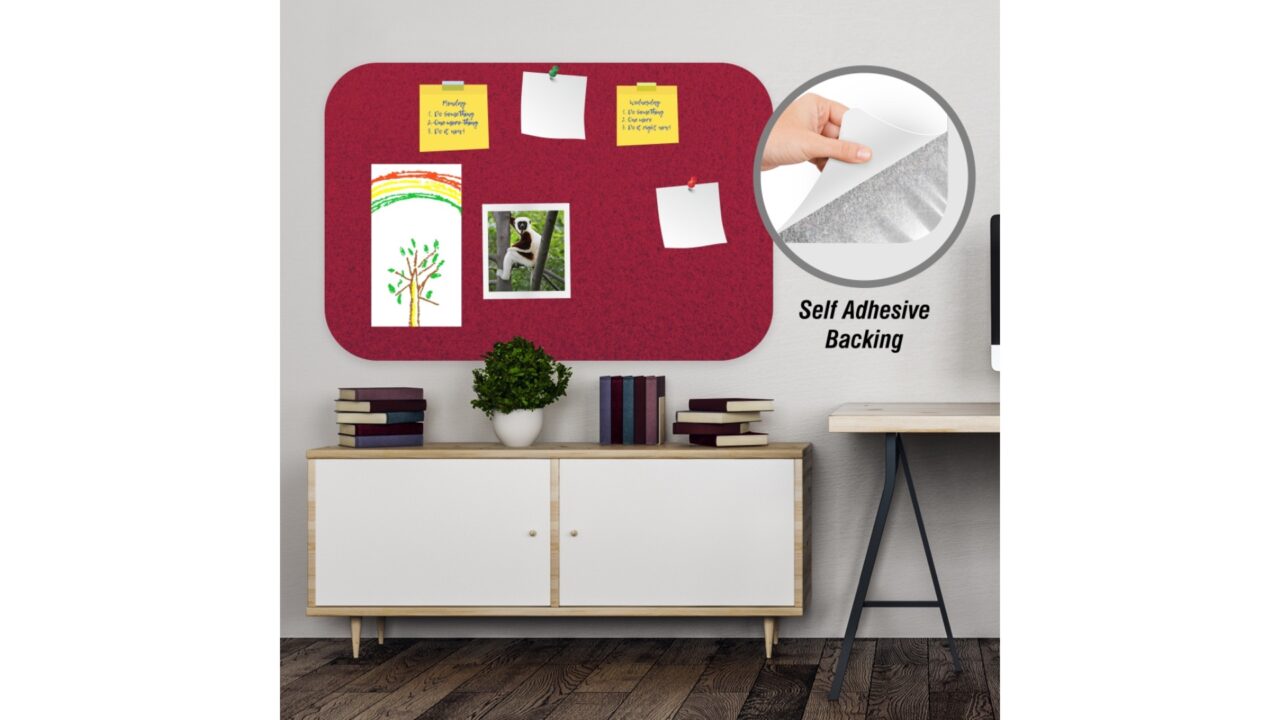
As Elle Decor notes, “Bespoke furniture is the ultimate luxury in home design—not because of its cost, but because of its ability to perfectly express your aesthetic.”
Sustainable and Ethical Choice
In an era of growing environmental consciousness, bespoke furniture offers substantial sustainability advantages:
- Reduced waste through precise material usage
- Local production minimising transportation emissions
- Durable construction means fewer replacements over time
- Ethical labor practices with fair compensation for skilled artisans
- Responsible material sourcing options, including reclaimed and sustainable materials
A study by the Sustainable Furnishings Council found that furniture with longer lifespans significantly reduces environmental impact compared to cheaper, disposable alternatives.
Functional Optimization
Beyond aesthetics, bespoke furniture can be designed around how you live and use your space. Custom pieces can incorporate:
- Storage solutions tailored to your specific belongings
- Ergonomic considerations for comfort and health
- Multi-functional features for flexible use
- Accessibility accommodations for all family members
- Technology integration seamlessly built into designs
This functional customization ensures your furniture works for your life—not the other way around.
Key Areas for Bespoke Home Solutions
Living Room: The Heart of Expression
The living room often serves as the centerpiece of home design, making it an ideal canvas for bespoke expression. Popular custom options include:
- Statement sofas with custom dimensions, upholstery, and comfort features
- Entertainment centers designed around your specific equipment
- Custom shelving that showcases your collections and reflects your organizational style
- Accent furniture that complements your existing pieces while adding unique character
- Integrated solutions that combine multiple functions like storage, display, and technology
When designing bespoke living room pieces, consider both aesthetic impact and daily functionality—how the space flows, where people gather, and what activities typically occur there.
Kitchen: Bespoke Functionality
The kitchen represents perhaps the most functional space in your home, where customization can dramatically improve your daily experience:
- Custom cabinetry designed around your cooking habits and equipment
- Specialized storage for unique collections or appliances
- Island designs that facilitate your specific cooking and entertaining style
- Integrated dining solutions that maximize limited spaces
- Material combinations that balance durability, maintenance, and visual appeal
According to Houzz’s Kitchen Trends Study, homeowners consistently rank customized storage and functionality among their top priorities for kitchen renovations.
Bedroom: Personal Sanctuary
As your most private space, the bedroom benefits tremendously from personalized design:
- Custom bed frames with built-in storage or specific design elements
- Bespoke wardrobes configured to your clothing collection and dressing habits
- Nightstands with features tailored to your evening routine
- Vanity areas designed around your personal care needs
- Window treatments that perfectly balance light control, privacy, and aesthetics
The bedroom’s intimate nature makes it particularly important that furnishings reflect personal comfort preferences and lifestyle needs.
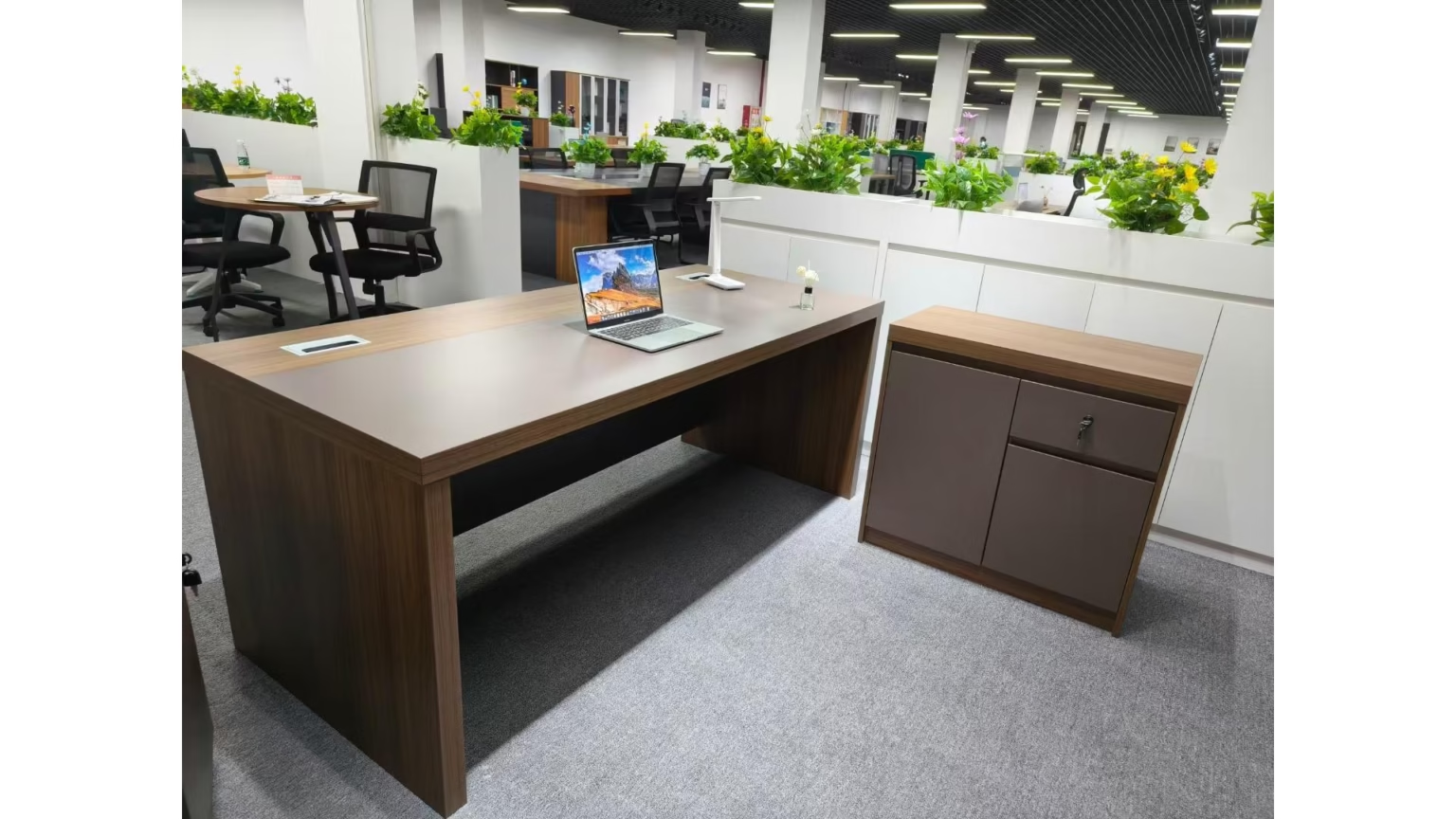
Home Office: Productivity by Design
With remote work becoming increasingly common, bespoke home office solutions have gained tremendous importance:
- Custom desks designed around your work habits and equipment
- Integrated technology management to minimize cable clutter
- Personalized storage systems for your specific business materials
- Ergonomic solutions tailored to your physical needs
- Video conferencing setups with appropriate lighting and backgrounds
A Harvard Business Review study suggests that personalized work environments significantly impact productivity and job satisfaction—making bespoke office furniture an investment in your professional success.
The Bespoke Process: From Concept to Creation
Understanding the typical journey of commissioning bespoke furniture helps set realistic expectations and ensures a smooth experience:
1. Consultation and Needs Assessment
The process begins with an in-depth conversation about your needs, preferences, space constraints, and budget. This typically involves:
- Discussing how you use your space
- Identifying pain points with current furniture
- Exploring aesthetic preferences and inspirations
- Reviewing samples of materials and finishes
- Establishing budget parameters and timelines
Good designers listen more than they talk during this phase, seeking to understand your unique situation before offering solutions.

2. Design Development
Once your needs are understood, the designer creates concept sketches or 3D renderings that bring potential solutions to life. This stage involves:
- Collaborative refinement of initial concepts
- Material and finish selection
- Detailed dimensioning and spatial planning
- Hardware and accessory selection
- Finalization of all design elements
Modern technology has revolutionized this phase, with many designers now offering virtual reality previews that let you “experience” your furniture before it’s built.
3. Craftsmanship and Creation
With designs approved, skilled artisans begin the creation process, which typically includes:
- Material selection and preparation
- Precision cutting and joinery
- Assembly and structural reinforcement
- Finishing processes (staining, painting, sealing)
- Hardware installation and final detailing
Many bespoke furniture makers welcome client visits during this phase, allowing you to witness the craftsmanship firsthand and develop a deeper connection to your pieces.
4. Installation and Follow-up
The final stage involves:
- Professional delivery and installation
- On-site adjustments if needed
- Education about care and maintenance
- Post-installation support and service
- Documentation of the piece’s specifications
This comprehensive process ensures not just beautiful furniture, but a positive experience that many clients find as rewarding as the final product itself.
Common Misconceptions About Bespoke Furniture

“It’s Always Prohibitively Expensive”
While bespoke furniture typically costs more than mass-produced alternatives, the price difference may be less than you expect. Consider:
- Many craftspeople offer various price points and material options
- The long-term value of furniture that lasts decades
- The reduced need for replacements over time
- The perfect fit that maximizes functionality
When calculated over the lifetime of the piece, bespoke furniture can represent better value than repeatedly replacing lower-quality items.
“It Takes Too Long to Create”
While custom creation does require time, modern workflows have streamlined the process:
- Many projects completed within 8-12 weeks
- Digital design tools accelerate the design phase
- Established workshops have efficient production systems
- The wait often results in greater appreciation of the final piece
The time investment becomes part of the journey, creating an emotional connection to pieces with stories behind them.
“It’s Only for Traditional or Luxury Homes”
Bespoke furniture spans all design styles and home types:
- Contemporary and minimalist designs benefit from precise sizing and clean execution
- Small spaces often gain the most from customized solutions that maximize function
- Eclectic homes use bespoke pieces to unite diverse style elements
- Modern materials and techniques can create cutting-edge designs
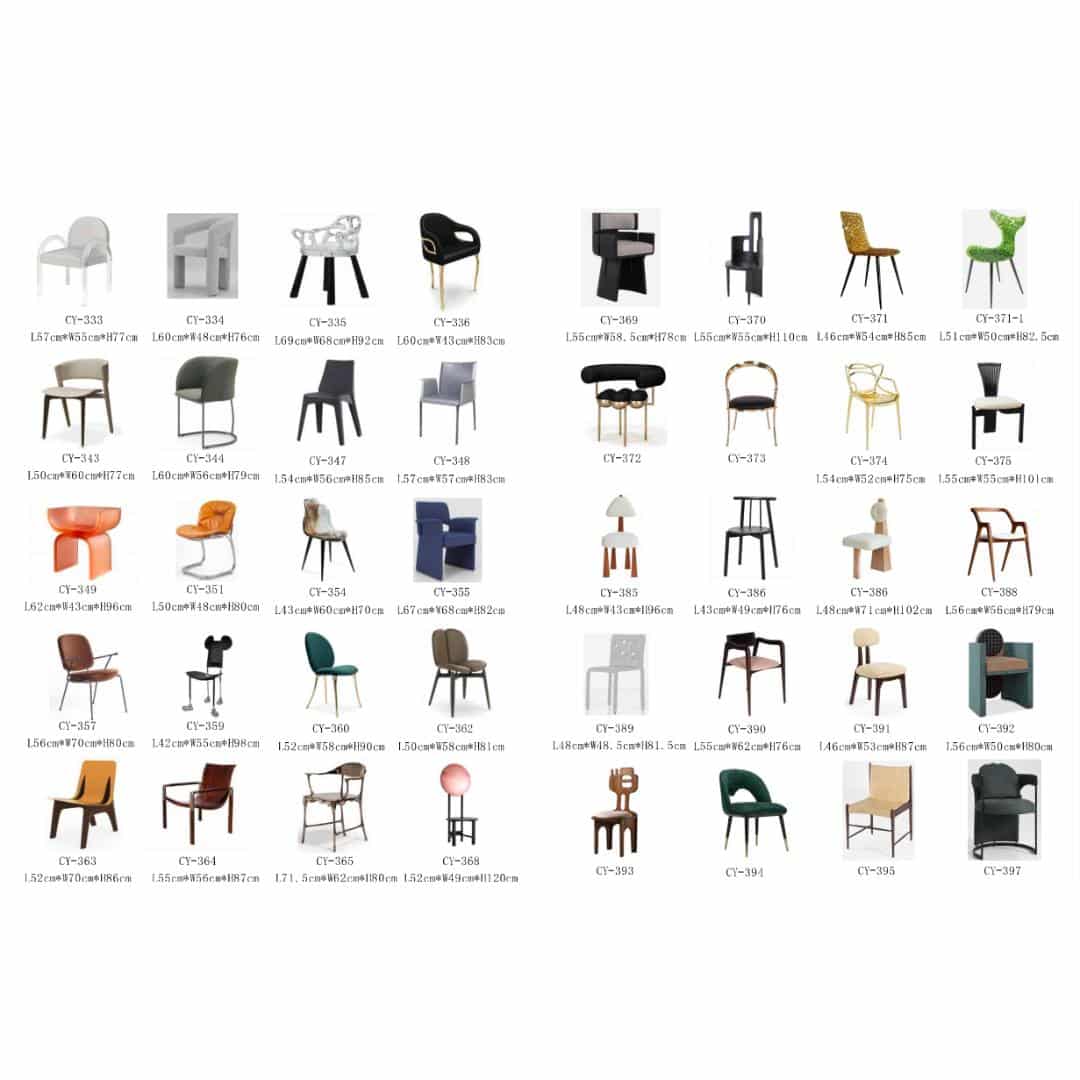

The versatility of custom creation makes it relevant across architectural styles and budgets.
How to Find the Right Bespoke Furniture Maker
Finding the perfect partner for your bespoke journey requires research and due diligence:
Portfolio Review
Examine past work for:

- Stylistic range and versatility
- Quality of craftsmanship
- Similarity to your desired aesthetic
- Complexity of projects completed
Look for consistency in execution and attention to detail across multiple projects.
Client Testimonials and References
Seek feedback about:
- Communication style and responsiveness
- Adherence to timelines and budgets
- Problem-solving abilities
- Post-installation service and support
Personal recommendations often provide the most reliable insights into the working relationship.
Process Transparency
Quality makers will clearly explain:
- How pricing is determined
- What timelines to expect
- Their design and revision process
- Material sourcing and quality standards
- Warranty and after-care policies
Transparency indicates professionalism and builds trust in the relationship.
Material Knowledge
Assess their expertise regarding:
- Properties of different woods and materials
- Appropriate applications for various materials
- Finishing techniques and durability
- Maintenance requirements
- Sustainability considerations
Deep material knowledge indicates true craftsmanship and ensures appropriate choices for your specific needs.
Investment Considerations for Bespoke Furniture
When budgeting for custom pieces, consider these factors:
Prioritize High-Impact Areas
If working with limited resources, focus custom investments on:
- Pieces used daily (beds, dining tables, desks)
- Items visible in main living areas
- Furniture that addresses specific problems or pain points
- Statement pieces that anchor your design scheme
This strategic approach maximizes the impact of your bespoke investment.

Balance Cost Factors
Understand what drives pricing:
- Material selection (exotic woods vs. domestic species)
- Construction complexity and labor time
- Finishing techniques (hand-rubbed vs. sprayed)
- Hardware quality and specialization
- Design complexity and unique features
Discussing these factors openly with your craftsperson helps identify where to splurge and where to economize.
Consider Long-Term Value
Evaluate the investment through a long-term lens:
- Quality pieces often appreciate rather than depreciate
- Furniture that grows with your lifestyle avoids replacement costs
- Personalized design enhances the daily living experience
- Emotional connection creates enduring satisfaction
- Potential heirloom value for future generations
As Forbes notes, “Bespoke furniture should be viewed as an investment in your quality of life, not merely a purchase.”
Caring for Your Bespoke Investments
To protect your custom pieces for generations:
Maintenance Best Practices
- Follow maker-specific care instructions for your particular materials
- Clean regularly with appropriate products
- Address spills and damage promptly
- Maintain consistent indoor humidity levels
- Rotate and reposition items to ensure even wear
Professional Services
- Schedule periodic professional cleaning for upholstery
- Consider refinishing services when needed
- Consult with your maker about repairs or restoration
- Document care history for valuable pieces
Environmental Considerations
- Position furniture away from direct sunlight
- Use heat and AC registers to avoid temperature extremes
- Consider protective covers for seasonal or occasional use
- Use coasters, placemats, and other protective accessories
Proper care ensures your bespoke pieces remain beautiful and functional for decades to come.
The Future of Bespoke Home Design
The bespoke furniture industry continues to evolve with exciting developments:
Technology Integration
Advancements include:
- Virtual reality design experiences
- Digital fabrication techniques for complex forms
- Smart furniture with integrated technology
- Parametric design tools for mathematical precision
- 3D scanning of spaces for perfect fit
These technologies make custom design more accessible while preserving traditional craftsmanship.
Sustainable Innovations
The industry is embracing:
- Reclaimed and repurposed materials
- Local sourcing networks
- Non-toxic finishing options
- Zero-waste manufacturing processes
- Biodegradable or recyclable components
According to The Guardian, the sustainable furniture market is growing at 5% annually as consumers prioritize environmental responsibility.
Collaborative Design Models
New approaches include:
- Online co-creation platforms
- Crowdsourced design elements
- Maker collectives sharing resources
- Designer-client collaboration tools
- Community workshops for participatory making
These models democratize access to custom furniture while building a community around craftsmanship.
Creating a Home That’s Uniquely Yours
In a world of mass production and standardization, bespoke home solutions offer something increasingly precious: authenticity. Beyond the practical benefits of perfect fit and superior quality, custom furniture creates spaces that tell your story, reflect your values, and enhance your daily life in meaningful ways.

Whether you’re commissioning a single statement piece or reimagining your entire home, the bespoke approach connects you to a tradition of craftsmanship while creating something thoroughly contemporary—furniture designed specifically for how you live today.
The journey from concept to creation involves not just the making of furniture, but the crafting of experience—both the experience of collaboration with skilled artisans and the ongoing experience of living with pieces that truly belong in your space. In this way, bespoke furniture becomes more than just objects in your home; it becomes part of your home’s identity and your legacy.
As you consider your bespoke journey, remember that the goal isn’t perfection but personalization—creating spaces that work for your unique life and reflect your authentic self. In a world of sameness, that might be the ultimate luxury.