
10 Powerful Insights About Chairs You Need to Know Before Your Next Purchase
Why the Right Chair Matters More Than You Think
Whether you’re running a busy office, designing a stylish home, or managing a medical facility, the chair—often overlooked—is one of the most vital components of comfort, posture, and productivity. Did you know the average person spends over 13 years of their life sitting? That makes choosing the right chair a strategic business and lifestyle decision—not just a matter of style or price.
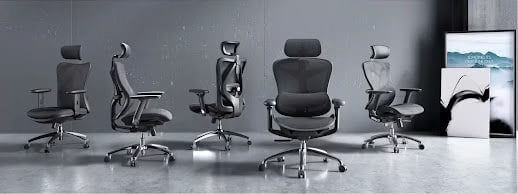
From ergonomic office chairs that reduce back pain to stylish accent chairs that elevate your décor, this article dives deep into everything you need to know about chairs. We’ll cover frequently asked questions, deliver industry insights, share relevant statistics, and give you clear, actionable guidance for choosing your perfect chair.
1. What Are the Different Types of Chairs?
Understanding chair categories can save you time and money.
- Ergonomic Chairs – Designed for long hours, these support your spine, neck, and posture.
- Executive Chairs – High-back chairs, usually leather or mesh, ideal for professional office setups.
- Task Chairs – Lightweight, mobile, and affordable. Great for short-duration use.
- Visitor/Guest Chairs – Stationary or stackable, made for reception and waiting areas.
- Accent Chairs – Decorative and functional, often found in lounges or living rooms.
- Dining Chairs – Varying styles from traditional wood to modern metal and upholstered versions.
- Gaming Chairs – Built for long sessions with high adjustability and comfort.
Each chair type solves a different problem. Matching function to form is the key to satisfaction.

2. Why Is Ergonomics Crucial When Buying Chairs?
Poor sitting posture leads to serious health issues, from back pain to reduced productivity. Ergonomic chairs are scientifically designed to support:
- Lumbar alignment
- Arm and shoulder posture
- Hip pressure reduction
- Neck and head support
According to the Occupational Safety and Health Administration (OSHA), ergonomic interventions can reduce workplace injury rates by 60%. Investing in ergonomic seating isn’t just smart—it’s cost-effective.
3. How Do I Choose the Right Chair for My Needs?
Use this 3-step decision-making guide:
- Define the primary use – Office? Dining? Lounge?
- Match comfort level with duration – Will the user sit for 8+ hours or just 30 minutes?
- Consider adjustability and materials – Height, lumbar, armrests, upholstery.
Pro tip: For office use, always choose a chair with adjustable lumbar support, breathable mesh or high-quality leather, and a 5-point base for stability.
4. Are Expensive Chairs Worth the Investment?
In many cases, yes—especially for high-use environments. Here’s why:
- Long-term durability (a R10,000 ergonomic chair often lasts 8–10 years)
- Fewer health-related absences at work
- Increased productivity and morale
Studies show that companies that invest in ergonomic seating report a 17% increase in productivity. For individuals, comfort leads to better concentration and reduced fatigue.
5. What Materials Are Best for Chairs?
Materials influence both aesthetics and performance.
- Mesh: Breathable, modern look, ideal for hot climates.
- Leather: Luxurious, durable, but can be hot and costly.
- Fabric: Soft and budget-friendly, though harder to clean.
- Plastic: Great for occasional use or stackable needs.
- Wood: Timeless and durable, often used in dining or accent chairs.
- Metal: Strong and industrial-looking, typically used in minimalist designs.
Always align your choice with intended usage, climate, and maintenance expectations.

6. How Do I Maintain My Chairs?
To prolong lifespan:
- Clean spills immediately – especially on fabric and leather.
- Vacuum regularly to remove dust and allergens.
- Use appropriate cleaning products for different materials.
- Check moving parts (casters, tilt mechanisms, screws) monthly.
Doing this can increase the lifespan of your chairs by 30% or more.
7. How Many Hours a Day Can I Sit Safely?
Health experts suggest standing or stretching every 30–60 minutes. Prolonged sitting can:
- Increase the risk of heart disease
- Reduce metabolism
- Weaken lower back muscles
That’s why investing in an ergonomic chair and a sit-stand desk combo is a smart move for your health.
8. What Are the Latest Chair Trends in 2025?
- Sustainable materials – Bamboo, recycled plastics, and vegan leather are in demand.
- Smart chairs – With built-in posture sensors and reminders.
- Modular seating – Perfect for hybrid workspaces.
- Bold colors – Earth tones, deep blues, and statement greens are trending.
Embrace a modern look while ensuring function meets fashion.
9. Are Chairs Customizable?
Yes—especially in business and commercial sectors. Many manufacturers offer:
- Fabric and color customization
- Logo branding
- Adjustable component options
Custom chairs are a great branding opportunity for companies and a chance to elevate your interior style at home.
10. Where Should I Buy High-Quality Chairs in South Africa?
Look for suppliers that:
- Specialize in locally manufactured furniture
- Offer warranties and after-sales service
- Provide delivery and installation
- Allow custom orders and bulk pricing
Consider working with reputable companies offering value, not just price. A one-time investment in quality furniture can mean years of worry-free comfort.
Conclusion: Sit Smarter, Live Better
A chair is more than just a seat—it’s a tool for wellness, productivity, and lifestyle enhancement. With so many types, materials, and features available, making an informed choice ensures comfort, style, and ROI. Whether you’re shopping for an executive suite, home office, or reception area, let function, ergonomics, and design guide your decision.
Start with your needs, research your options, and remember: comfort is not a luxury—it’s a necessity.