
In today’s fast-paced business environment, the quality conference tables & chairs room serves as the heart of corporate decision-making and collaboration. The right conference table and chairs don’t just fill a space—they fundamentally transform how teams interact, communicate, and innovate together. Whether you’re designing a new office from scratch or upgrading your existing meeting spaces, choosing the perfect conference furniture requires careful consideration of numerous factors beyond mere aesthetics.
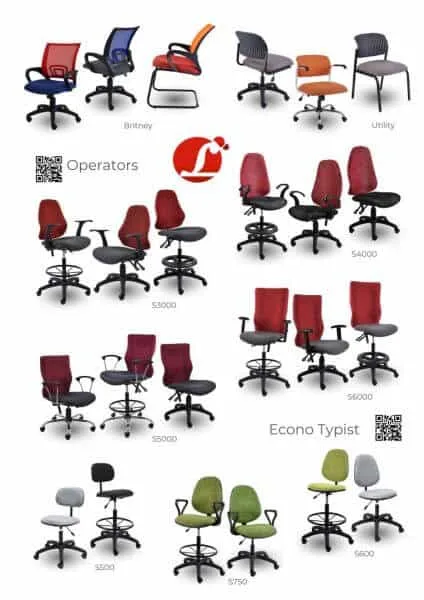
This comprehensive guide will walk you through everything you need to know about selecting conference tables & chairs that enhance productivity, reflect your company culture, and adapt to the evolving needs of modern workplaces.
How Conference Room Furniture Impacts Business Success
Before diving into specific furniture options, it’s worth understanding the profound impact your conference room setup has on your organization. According to a 2024 Workplace Design Study by Steelcase, thoughtfully designed meeting spaces can improve team collaboration by up to 34% and boost overall employee satisfaction by 27%.
The conference room often serves as the face of your company for visitors, clients, and potential business partners. It’s where critical decisions are made, creative ideas are born, and team cohesion is strengthened. The right furniture doesn’t just accommodate these activities—it actively facilitates them.
Key Factors to Consider When Choosing Conference Tables
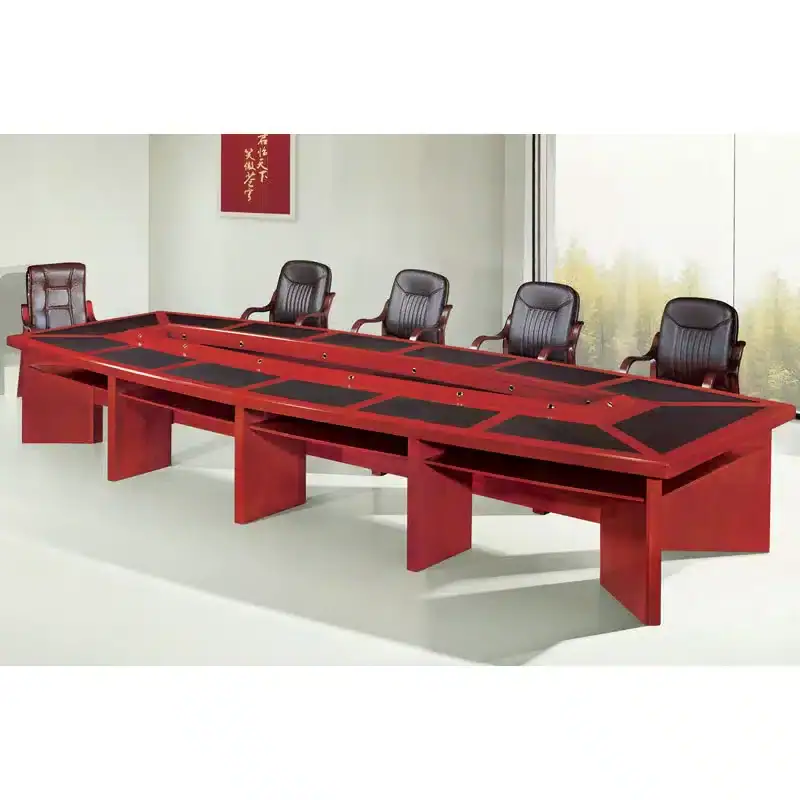
1. Space Planning and Room Dimensions
The first step in selecting the ideal conference table is accurately measuring your available space. According to Herman Miller’s workplace design guidelines, you should allow:
- A minimum of 3-4 feet of clearance between the table edge and walls
- 30-36 inches of table width per person
- At least 4 feet behind each chair for comfortable movement
Consider not just the room’s dimensions, but also its shape, entry points, windows, and fixed features like columns or built-in cabinets. These elements will influence the ideal table size and shape for your space.
A too-large table will make the room feel cramped and inhibit movement, while a too-small table limits seating capacity and work surface. Finding that perfect balance is crucial for both functionality and comfort.
2. Table Shapes and Their Impact on Collaboration
Different table shapes foster different types of interaction and hierarchies:
Rectangular Tables
- Best for traditional, directed meetings with clear leadership positions
- Create natural focal points at the heads of the table
- Maximize seating capacity in rectangular rooms
- Allow for clearer sight lines in video conferencing setups
Round Tables
- Promote equality and encourage inclusive discussions
- Eliminate hierarchical positions
- Create more intimate settings for smaller groups
- Less efficient for large numbers of participants
Boat-Shaped Tables
- Combine the directional focus of rectangular tables with improved visibility
- Tapered ends allow everyone to see presentations clearly
- Excellent for videoconferencing as participants can better see screens
- Support a balance of hierarchy and collaboration
Modular Tables
- Offer ultimate flexibility for reconfiguring spaces
- Can be arranged in various formations (U-shape, classroom style, boardroom)
- Ideal for multipurpose rooms serving different meeting types
- Easily scalable as teams grow
According to Knoll’s Workplace Research, organizations that implement flexible meeting spaces report 23% higher engagement rates during collaborative sessions.
3. Materials and Durability
Conference tables represent a significant investment and should be built to last. Common materials include:
Wood Veneer
- Classic, warm appearance that conveys tradition and stability
- Available in numerous finishes to match design schemes
- Requires moderate maintenance to prevent scratches and water damage
- Mid to high price range depending on wood species
Laminate
- Highly durable and resistant to scratches, stains, and moisture
- Wide range of colors and patterns, including wood-look options
- Lower price point than real wood
- Ideal for high-traffic environments
Glass
- Creates a modern, light aesthetic
- Makes smaller spaces appear larger
- Easy to clean but shows fingerprints and smudges
- Often used as table tops with metal bases for contemporary settings
Metal
- Typically used for bases and accents
- Provides sturdy support and modern appearance
- Various finishes available (brushed, polished, powder-coated)
- Combines well with other materials for mixed-media designs
Solid Surface Materials
- Non-porous and highly sanitary
- Seamless appearance
- Extremely durable and repairable
- Higher price point but exceptional longevity
The best choice depends on your budget, aesthetic preferences, and practical needs. High-quality conference furniture should last 10-15 years or more, making durability a critical consideration for long-term value.
4. Technology Integration
Modern conference tables must accommodate today’s technology-driven meetings. Consider tables with:
- Built-in power outlets and USB charging ports
- Wire management systems to eliminate cable clutter
- Pop-up connectivity modules for easy access to data ports
- Wireless charging capabilities for compatible devices
According to Gartner’s Workplace Technology Report, 78% of businesses now prioritize technology integration in meeting room furniture purchases, reflecting the growing importance of seamless digital collaboration.
5. Budget Considerations
Conference furniture represents a significant investment, with prices varying widely based on materials, size, and features:
Instead of focusing solely on upfront costs, calculate the lifetime value by dividing the price by expected years of use. A $5,000 table that lasts per year—a reasonable investment for a piece of furniture used daily.
Choosing the Perfect Conference Chairs
While tables often get the spotlight, chairs are equally crucial for productive meetings. People simply cannot focus when physically uncomfortable.
1. Ergonomics and Comfort
Conference sessions can run for hours, making chair comfort non-negotiable. Look for:
- Adjustable height mechanisms
- Proper lumbar support
- Comfortable seat padding
- Breathable materials
- Appropriate seat depth (typically 17-19 inches)
The Ergonomics Health Association recommends chairs that support natural posture with a slight recline of 100-110 degrees to reduce spinal pressure during extended meetings.
2. Mobility and Flexibility
Different meeting styles require different levels of chair mobility:
Task Chairs with Casters
- Allow easy movement and reconfiguration
- Support active participation and collaboration
- May include swivel functionality for improved interaction
Stationary Chairs
- Create more formal settings
- Maintain orderly room appearance
- Often used with traditional boardroom setups
Nesting or Stacking Chairs
- Enable quick storage when not in use
- Perfect for multi-purpose rooms
- Typically lightweight for easy reconfiguration
3. Style and Brand Alignment
Conference seating should reflect your company culture and values:
- Project authority and established success
- Convey tradition and stability
- Higher price point but exceptional durability
Modern Mesh Chairs
- Suggest innovation and contemporary thinking
- Offer breathability for comfort during long meetings
- Available in various colors to match brand identity
Designer Statement Pieces
- Create memorable impressions for visitors
- Demonstrate attention to design and detail
- Can serve as conversation starters
Popular Conference Table Styles for Different Business Types
1. Traditional Boardroom Tables
Ideal for:
- Law firms
- Financial services
- Established corporations
- Client-facing meeting rooms
These substantial, often rectangular or boat-shaped tables project stability and authority. Typically crafted from rich wood veneers with detailed edge profiles, they create impressive focal points in formal meeting spaces.
2. Modern Minimalist Tables
Ideal for:
- Tech companies
- Creative agencies
- Contemporary office environments
- Startups and scale-ups
Characterized by clean lines, mixed materials (glass, metal, engineered surfaces), and innovative designs, these tables create forward-thinking environments that encourage creative collaboration.
3. Flexible Modular Systems
Ideal for:
- Multi-purpose spaces
- Training rooms
- Companies with varied meeting needs
- Organizations embracing activity-based working
These adaptable solutions can be reconfigured to support different meeting types, team sizes, and collaboration styles. According to Workspace Design Magazine, businesses with flexible meeting furniture report 42% higher space utilization rates compared to those with fixed configurations.
4. Standing Conference Tables
Ideal for:
- Quick huddle meetings
- Innovation sessions
- Health-conscious organizations
- Teams practicing agile methodologies
Standing or height-adjustable conference tables support shorter, more energetic meetings and can improve engagement. Research published in the Journal of Physical Activity and Health suggests that standing meetings are typically 25% shorter while achieving the same objectives.
Conference Room Accessories That Enhance Functionality
A truly effective conference space incorporates thoughtful accessories:
Presentation Technologies
- Wall-mounted or recessed displays
- Projection systems for larger rooms
- Digital whiteboards for interactive collaboration
Acoustic Solutions
- Sound-absorbing panels to reduce echo
- White noise systems for privacy
- Acoustic dividers for large multipurpose spaces
- Credenzas for equipment and supplies
- Built-in cabinets for meeting materials
- Mobile carts for flexible setups
Lighting Controls
- Dimmable options for different presentation needs
- Task lighting for document review
- Natural light management systems
Conference Room Design Trends for 2025
Stay ahead of the curve with these emerging trends:
1. Biophilic Elements
Incorporating natural elements into conference spaces improves well-being and productivity. Consider:
- Living walls or strategically placed plants
- Natural wood finishes and textures
- Views to outdoor spaces where possible
- Natural light optimization
2. Hybrid Meeting Optimization
With remote work here to stay, conference rooms are evolving to better support hybrid collaboration:
- Tables with integrated camera positions
- Acoustically optimized spaces for clear audio
- Display configurations that create “virtual presence”
- Equal experience design for in-person and remote participants
3. Multi-purpose Flexibility
Space utilization remains a top priority, driving demand for conference rooms that transform:
- Reconfigurable furniture systems
- Movable dividers for space division
- Storage solutions for quick transitions
- Technology that adapts to different use cases
4. Wellness-Centered Design
Employee well-being directly impacts productivity and creativity:
- Air purification systems
- Circadian lighting that adjusts throughout the day
- Ergonomic furniture that supports movement
- Spaces that encourage short breaks during lengthy sessions
Maintaining and Caring for Conference Furniture
Protect your investment with proper maintenance:
Wood Surfaces
- Dust regularly with microfiber cloths
- Clean with appropriate wood cleaners quarterly
- Avoid direct sunlight to prevent fading
- Use coasters and pads to prevent damage
Laminate Surfaces
- Clean with mild soap and water
- Address spills immediately
- Avoid abrasive cleaners
- Use desk pads for writing surfaces
Upholstered Chair Care
- Vacuum regularly to remove dust
- Treat stains promptly according to fabric type
- Consider professional cleaning annually
- Rotate usage to ensure even wear
Creating a Conference Room That Reflects Your Brand
Your meeting space communicates your company values to everyone who enters:
For Traditional Companies
- Classic wood tables with substantial presence
- Executive-style seating
- Rich color palettes
- Attention to architectural details
For Creative Businesses
- Unique table designs that inspire conversation
- Comfortable, unconventional seating options
- Bold color choices that energize
- Flexible elements that encourage movement
For Tech-Forward Organizations
- Clean, minimal designs
- Cutting-edge technology integration
- Multi-functional spaces
- Future-focused materials and solutions
Making the Final Decision: A Checklist
When selecting your conference furniture, review this comprehensive checklist:
- Measured space accurately and created scaled layout
- Identified primary meeting types and user needs
- Considered technology requirements and integration
- Selected appropriate materials for durability and maintenance
- Chosen chair style that balances comfort and aesthetics
- Aligned furniture selections with brand identity
- Established realistic budget for quality and longevity
- Planned for acoustic considerations
- Accommodated accessibility requirements
- Created flexibility for future needs
Investing in Collaborative Success
The conference room remains the collaborative nucleus of most organizations, even as work patterns evolve. By thoughtfully selecting conference tables and chairs that support your team’s specific needs, you create environments where ideas flourish, decisions accelerate, and relationships strengthen.
Remember that conference furniture represents more than just a place to sit—it’s an investment in your company’s collaborative potential and a tangible expression of your organizational values. The right choices will serve your team well for years to come, adapting to changing needs while maintaining functionality and style.