
In today’s fast-paced business environment, maintaining an organised workspace is essential for productivity and efficiency. Despite the digital revolution, physical document storage remains a critical aspect of office management. Office file cabinets stand as the cornerstone of document organization, providing secure storage while ensuring easy access to important paperwork. This comprehensive guide explores everything you need to know about office file cabinets—from types and benefits to selection criteria and organization tips—helping you make informed decisions for your workspace needs.
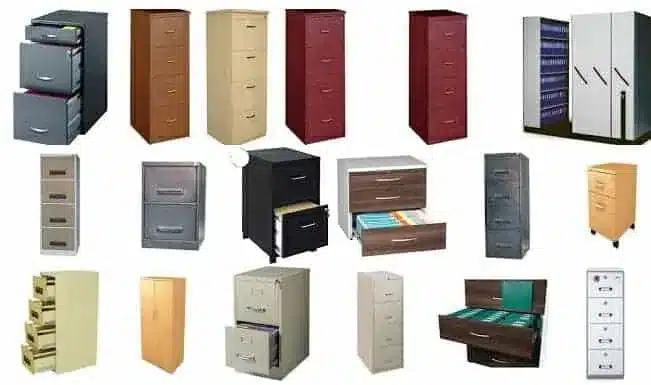
Filing Cabinets Still Matter in the Digital Age
While many businesses are moving toward paperless operations, physical documents remain an integral part of numerous industries. According to a 2024 study by Workflow Management Coalition, 76% of businesses still maintain physical document archives for legal, compliance, or practical reasons [https://www.workflowmanagement.org/research/2024-document-storage-trends].
Modern filing cabinets have evolved beyond mere storage boxes to become versatile furniture pieces that:
- Protect sensitive documents from unauthorized access
- Create systematic organisation that reduces time spent searching for information
- Comply with regulations requiring physical record-keeping
- Provide backup security for digital information
- Contribute to office aesthetics and workspace efficiency
Types of Office File Cabinets
Vertical Filing Cabinets
The most common type seen in offices worldwide, vertical file cabinets feature drawers that extend from the short side of the cabinet. They typically stand between 40-60 inches tall, making efficient use of vertical space while minimising floor footprint.
Key features:
- Space-efficient design ideal for small offices
- Standard depths accommodate letter or legal-sized documents
- Available in 2-5 drawer configurations
- Typically more affordable than lateral options, with basic models starting from R1,500 to R4,000
Lateral File Cabinets
Wider than vertical cabinets, lateral file systems allow documents to be arranged side-by-side rather than front-to-back. This configuration enables easier viewing and retrieval of files without needing to reach deep into drawers.
Key features:
- Wider drawers provide greater file capacity per drawer
- Lower height improves accessibility for all users
- Can double as room dividers or support surfaces
- Better stability due to a wider base
- Price range typically from R3,500 to R9,000 depending on size and quality
Mobile File Cabinets
Designed with mobility in mind, these compact units feature wheels or casters for easy movement around the office.
Key features:
- Perfect for flexible workspace arrangements
- Often designed to fit under standard desk heights
- Typically include 2-3 drawers with varied configurations
- May include cushioned tops to double as temporary seating
- Generally priced between R1,200 and R3,500
Fireproof File Cabinets
Specialized cabinets designed to protect critical documents from fire damage, these units are constructed with insulating materials between steel walls.
Key features:
- Fire protection ratings ranging from 30 minutes to 2 hours
- Water resistance during fire suppression
- Impact resistance during structural collapse
- Significantly heavier and more expensive than standard cabinets
- Investment ranges from R8,000 to R35,000 depending on size and protection level
According to OfficeSpace Software’s 2024 Office Equipment Report, fireproof filing cabinets have seen a 28% increase in purchases over the last two years, reflecting growing concerns about disaster preparedness in the workplace [https://www.officespace.com/reports/equipment-trends-2024].
Plan Cabinets (Flat File Cabinets)
Designed specifically for oversized documents like architectural plans, maps, and large-format artwork.
Key features:
- Wide, shallow drawers for flat storage
- Prevents folding or rolling of large documents
- Specialized designs for different document sizes
- Often stackable for customizable capacity
- Pricing typically ranges from R7,000 to R18,000 based on size and quality
Wall Units File Cabinets for Office Storage
Steel Filing Cabinets
The industry standard for durability and security, steel cabinets offer exceptional strength and longevity.
Key considerations:
- The gauge (thickness) of steel affects durability and security
- Higher gauge numbers indicate thinner metal (18-gauge is stronger than 22-gauge)
- Powder-coat finishes provide better resistance to scratches and chips
- Welded construction offers superior strength compared to riveted assembly
- Quality steel cabinets typically start from R2,500, with premium options exceeding R10,000
Wooden Filing Cabinets
Offering warmth and aesthetic appeal, wooden cabinets blend seamlessly with executive office furnishings.
Key considerations:
- Solid wood provides the greatest durability but at a higher cost
- Veneer over particleboard offers a wood appearance at lower prices
- Consideration should be given to wood type and finish quality
- Generally heavier than comparable steel units
- Price range from R3,500 for basic veneer models to R15,000+ for solid wood executive options
Laminate Filing Cabinets
Budget-friendly options that mimic the appearance of wood while offering improved moisture resistance.
Key considerations:
- The quality of core material significantly affects the durability
- Edge banding quality determines resistance to chipping
- The thickness of laminate impacts resistance to wear and damage
- Weight capacity is generally lower than steel alternatives
- Generally priced between R1,800 and R5,000
Essential Features to Consider
Security Features
Document security remains a primary function of file cabinets. Modern options offer various security measures:
- Central locking systems that secure all drawers simultaneously
- Anti-tip mechanisms preventing multiple drawers from opening at once
- Electronic locks with keypad or RFID access for advanced security (adding R800-R2,500 to base price)
- Removable lock cores for easy key management in larger organizations
A recent report by Office Security Institute indicates that 67% of businesses experienced some form of document security breach in the past five years, highlighting the importance of physical security measures [https://www.officesecurity.org/document-protection-report].
Drawer Slides and Weight Capacity
The quality of drawer slides directly impacts usability and longevity:
- Ball-bearing slides offer the smoothest operation and highest weight capacity
- Suspension slides provide good performance at mid-range prices
- Standard capacity drawers typically support 20-25 kilograms
- Heavy-duty options can handle 45+ kilograms per drawer
Drawer Configurations
Modern filing cabinets offer specialized drawer arrangements:
- Combination units with storage drawers and file drawers
- Pull-out reference shelves for temporary work surfaces
- Media storage compartments for digital media
- Adjustable dividers for customizable organization
Aesthetic Considerations
Today’s filing cabinets go beyond utility to complement office design:
- Expanded color options beyond traditional black, gray, and beige
- Designer handles and hardware for contemporary appeal
- Custom finishes to match existing furniture (potentially adding R500-R1,500 to the base price)
- Decorative elements that blend storage with style
How to Select the Right Filing Cabinet for Your Office
Assess Your Space Constraints
Before purchasing, carefully measure available space considering:
- Cabinet dimensions (height, width, depth)
- Clearance needed for fully extended drawers
- Traffic flow around the cabinet location
- Growth projections for future storage needs
Evaluate Document Volume and Types
Different businesses have different filing needs:
- Quantity of documents requiring storage
- Paper sizes (letter, legal, A4, etc.)
- Special storage requirements (hanging files, folders, etc.)
- Frequency of access to different document types
Consider Ergonomics and Accessibility
User-friendly design improves efficiency and prevents injury:
- Drawer height appropriate for frequent users
- Pull effort required to open loaded drawers
- Accessibility compliance for a diverse workforce
- Handle design for users with dexterity limitations
Balance Budget with Quality
Investment in quality yields long-term benefits:
- Higher initial costs often translate to longer service life
- Premium features improve daily usability
- Warranty coverage varies significantly between budget and premium options
- Cost-per-year of service is often lower with better quality units
- Budget approximately R500-R1,000 per drawer for basic needs, R1,000-R2,500 per drawer for mid-range quality, and R2,500+ per drawer for premium options
Organisation Strategies for Maximum Efficiency
Color-Coding Systems
Implement visual organization with color:
- Assign colors to different departments or categories
- Use colored folders or labels for instant visual recognition (quality hanging folders range from R250-R500 per pack of 25)
- Create color key charts for consistent application
- Consider color psychology for intuitive associations
Labeling Best Practices
Clear labeling improves retrieval speed:
- Consistent naming conventions for all files
- Visible, durable labels on drawer fronts
- Interior labels for drawer contents
- Electronic inventory systems linked to physical storage
Filing Systems
Choose the system that best matches your workflow:
- Alphabetical systems for name-based retrieval
- Numerical systems for sequential or coded documents
- Subject-based systems for topical organization
- Chronological systems for date-sensitive materials
According to a 2024 productivity study by WorkSpace Dynamics, employees spend an average of 5 hours per week searching for information, but implementing systematic filing reduces this by up to 60% [https://www.workspacedynamics.com/productivity-research].
Maintenance and Care
Regular Cleaning
Preserve functionality with proper maintenance:
- Dust accumulation can affect drawer operation
- Clean exterior surfaces with appropriate cleaners
- Remove debris from drawer tracks quarterly
- Inspect for moisture or pest issues regularly
Mechanical Maintenance
Extend service life with preventive care:
- Lubricate drawer slides annually
- Tighten loose hardware promptly
- Adjust drawer alignment when needed
- Check lock function regularly
Security Audits
Maintain document protection:
- Conduct periodic key inventories
- Update access permissions as staff changes occur
- Test locking mechanisms regularly
- Document security protocols for compliance
Environmental Considerations
Sustainability Factors
Modern offices increasingly prioritize environmental responsibility:
- Look for cabinets manufactured with recycled materials
- Consider end-of-life recyclability
- Evaluate the manufacturer’s environmental policies
- Check for eco-friendly certifications like GREENGUARD
Indoor Air Quality
Material choices affect workplace health:
- Low-VOC finishes reduce harmful emissions
- Metal cabinets typically emit fewer pollutants than particleboard
- Proper ventilation around storage areas
- Moisture resistance prevents mold development
Digital Integration with Physical Filing
Hybrid Systems
Bridge physical and digital worlds for comprehensive document management:
- Barcode systems for physical file tracking (implementation costs ranging from R3,500 to R15,000 depending on scale)
- QR codes linking to digital copies
- Database management of physical file locations
- Check-out systems for document movement tracking
Scanning Workflows
Develop protocols for digitization:
- Criteria for what gets digitized versus stored physically
- Quality standards for digital conversion
- Retention policies for physical originals after scanning
- Cloud backup of scanned documents (monthly costs typically R250-R1,500 depending on storage needs)
The International Data Corporation reports that organizations implementing hybrid document management systems experience 32% improved information retrieval times and 27% reduced storage costs [https://www.idc.com/research/document-management-2024].
Filing Cabinets for Specialised Industries
Healthcare
Medical offices have unique requirements:
- HIPAA-compliant locking systems
- Specialized sizes for medical charts
- Antimicrobial finishes for infection control
- Mobile options for clinical settings
- Premium healthcare-specific cabinets typically range from R4,500 to R12,000
Legal
Law firms prioritize security and capacity:
- High-capacity drawers for extensive case files
- Fire-rated options for irreplaceable documents
- Specialized legal-size drawer configurations
- Enhanced security features for client confidentiality
- Quality legal filing solutions typically range from R5,000 to R20,000
Education
Schools and universities balance accessibility with security:
- Durable construction for high-traffic environments
- Lockable options for confidential student records
- Compact designs for classroom spaces
- Mobile units for shared resources
- Institutional-grade cabinets typically range from R3,500 to R8,000
Future Trends in Office Filing
Smart Filing Solutions
Technology integration is transforming traditional cabinets:
- IoT-enabled cabinets that track access (adding R3,000-R7,000 to base price)
- Digital displays showing drawer contents
- Automated inventory systems
- Biometric security options
Wall Units File Cabinets for Office Storage
Adaptability defines next-generation storage:
- Modular components that grow with needs
- Convertible features for changing document volumes
- Integration with digital workstations
- Aesthetically forward designs that complement modern offices
Cost Considerations for South African Businesses
Import vs. Local Manufacturing
Source considerations affect both price and quality:
- Locally manufactured cabinets typically offer 15-25% savings over imported options
- Import duties and shipping costs significantly impact pricing on international brands
- Lead times average 2-3 weeks for local products versus 6-12 weeks for imports
- After-sales service tends to be more responsive with local manufacturers
Value-Added Services
Beyond the cabinet itself, consider these potential additional costs:
- Delivery and installation (R300-R1,500 depending on quantity and location)
- Assembly services if required (typically R250-R500 per unit)
- Custom configuration or color matching (R500-R2,000 premium)
- Extended warranty options (R500-R1,500 depending on duration and coverage)
While digital transformation continues to reshape office environments, physical document storage remains essential for most businesses. The right filing cabinet selection combines practical considerations of space, security, and accessibility with aesthetic integration into your office design. By understanding the options available and implementing strategic organization systems, you can create an efficient document management solution that enhances productivity while maintaining necessary security and compliance.
When selecting office filing cabinets, remember that quality construction and thoughtful features yield long-term benefits in usability, security, and longevity. View your filing system as an investment in operational efficiency rather than simply a storage expense