
The modern boardroom has evolved far beyond the traditional wooden table surrounded by swivel chairs. Today’s digital workplace demands smarter solutions that seamlessly blend technology with functionality. Tech-integrated glass conference tables have emerged as the centerpiece of forward-thinking organizations, combining sleek aesthetics with powerful digital capabilities. These innovative surfaces are revolutionising how teams collaborate, share information, and make decisions. Whether you’re planning a boardroom renovation or building a new corporate space from scratch, understanding the latest in smart table tech-Integrated glass conference tables can give your company a competitive edge in our increasingly digital business landscape.
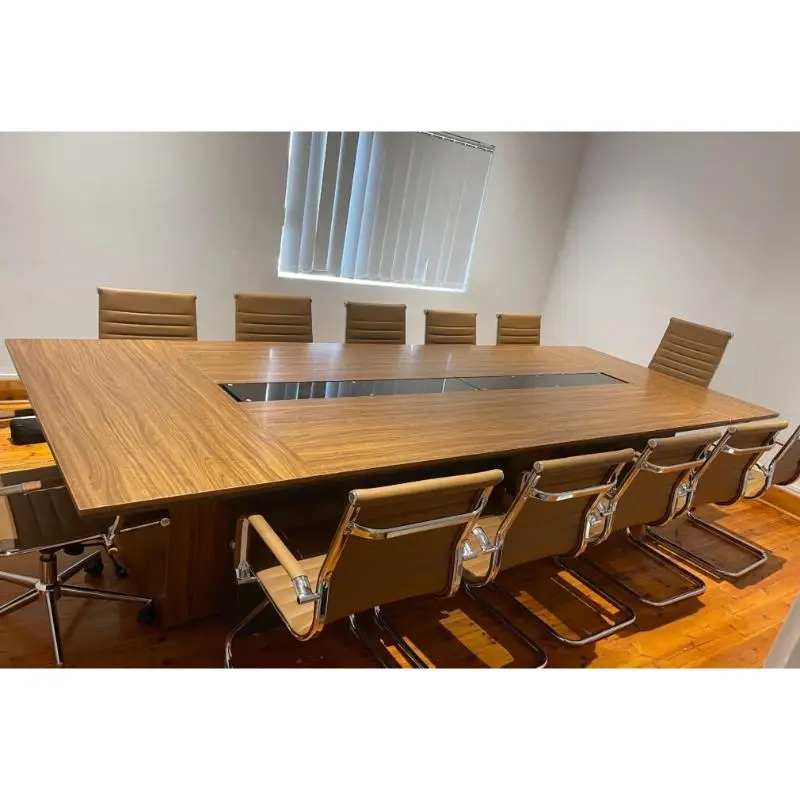
What Makes Tech-Integrated Glass Tables Different?
Traditional conference tables serve a single purpose – providing a surface for meetings. Tech-integrated glass tables, however, function as interactive hubs that enhance communication and productivity. These tables feature embedded touchscreens, wireless charging capabilities, integrated video conferencing systems, and smart connectivity options that transform ordinary meetings into dynamic collaborative experiences.
The glass construction offers several advantages over conventional materials. Its sleek, transparent surface creates a sense of openness while providing the perfect medium for integrating displays and touch capabilities. Unlike bulky wooden alternatives, glass conference tables with integrated technology maintain a minimalist aesthetic while housing sophisticated digital tools beneath their surface.
Top Features of Modern Tech-Integrated Glass Conference Tables
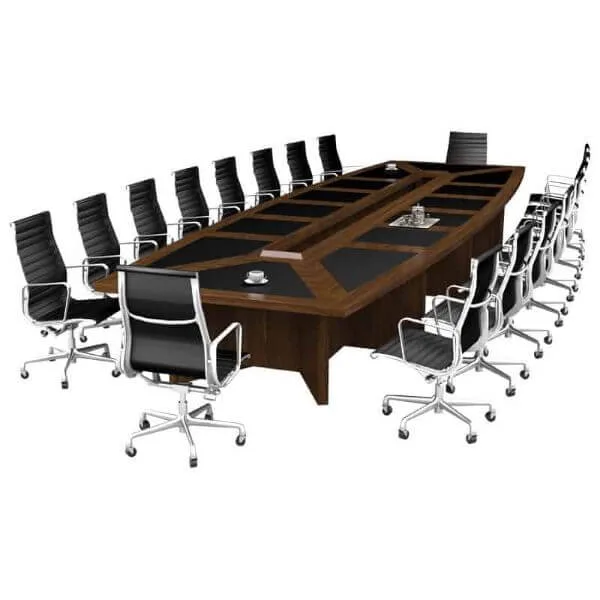
1. Interactive Touch Displays
Today’s premium tech tables incorporate multi-touch displays that allow multiple users to interact simultaneously. These high-resolution screens can display presentations, documents, and data visualizations that everyone around the table can view and manipulate. The best systems offer 4K resolution and support up to 40 simultaneous touchpoints, ensuring smooth operation even with large teams.
2. Wireless Charging and Power Integration
Fumbling with cables disrupts the meeting flow. Advanced glass conference tables now include wireless charging pads embedded directly into the surface, allowing participants to keep their devices powered throughout lengthy discussions. Strategic placement of traditional power outlets and USB ports around the table perimeter ensures everyone stays connected.
3. Video Conferencing Integration
Remote work isn’t going anywhere, making seamless video conferencing essential. Premium tech tables now include built-in cameras, microphones, and speakers positioned for optimal communication with remote participants. Some models feature directional microphones that automatically focus on whoever is speaking, creating a more natural hybrid meeting experience.
4. Smart Device Connectivity
The ability to instantly share content from personal devices to the main display is crucial. Modern tech tables support wireless screen sharing from laptops, tablets, and smartphones through various protocols. This eliminates the “sorry, I can’t connect” moments that waste valuable meeting time.
5. Environmental Controls
Some high-end models extend their functionality beyond the table itself, allowing users to control room lighting, temperature, and window treatments directly from the integrated display. This transforms the table into a command center for the entire meeting space.
6. Data Security Features
With sensitive information frequently displayed on these surfaces, security is paramount. Premium tech-integrated tables include privacy filters that limit viewing angles, automatic screen locking when not in use, and secure networking features to prevent unauthorized access to shared content.
7. Customizable Interface Software
The user interface makes or breaks the experience. Leading manufacturers provide customizable software that can be tailored to your organization’s specific workflows and branding requirements. Some even offer AI assistants that can transcribe meetings, assign action items, and send follow-up summaries.
Frequently Asked Questions About Tech-Integrated Glass Conference Tables
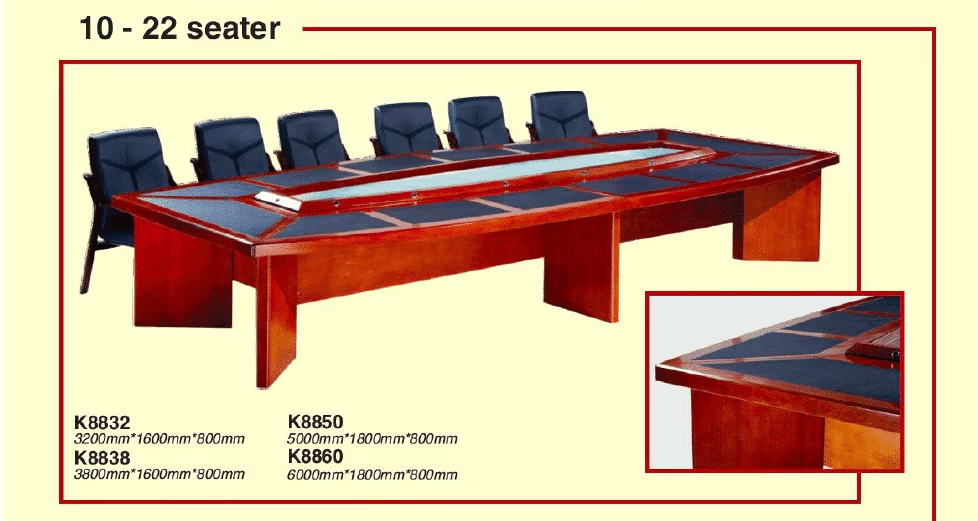
How much do tech-integrated glass conference tables cost?
Pricing varies widely based on size and features. Basic models with minimal technology integration start around R16890,00, while fully-featured enterprise solutions can reach R120 000. 00 or more. Many companies offer financing options to make these investments more manageable.
Are glass tables durable enough for daily use?
Tech-integrated glass conference tables use tempered or laminated remarkably durable safety glass. These surfaces resist scratches, withstand impacts, and can support significant weight. Many manufacturers offer 5-10-year warranties on both the glass and integrated tech-integrated glass conference tables.
What maintenance do these tables require?
Maintenance is surprisingly simple. The glass surfaces can be cleaned with standard glass cleaners, while touchscreens typically require only microfiber cloths for fingerprint removal. Most systems perform automatic software updates, though IT departments should plan for occasional firmware updates.
Will the technology become outdated quickly?
This is a legitimate concern when investing in any technology. Forward-thinking manufacturers design their tables with modular components that can be upgraded individually as technology evolves. Look for systems with user-replaceable modules rather than fully integrated solutions that can’t be updated.
Can these tables integrate with our existing systems?
Compatibility is essential. The best tech tables offer broad compatibility with popular video conferencing platforms, presentation software, and collaborative tools. Before purchasing, provide potential vendors with a list of your critical applications to ensure seamless integration.
The Impact on Collaboration and Decision-Making
Organizations that have implemented tech-integrated glass conference tables report significant improvements in meeting efficiency and outcomes. According to a 2024 study by Workspace Analytics, companies using interactive conference tables experienced:
- 37% reduction in meeting duration
- 42% increase in participant engagement
- 29% improvement in decision-making speed
- 45% higher satisfaction with meeting outcomes
These benefits stem from improved information sharing, enhanced visual communication, and reduced technical difficulties that plague traditional meeting setups.
Choosing the Right Tech Table for Your Organization
When selecting a tech-integrated glass conference table, consider these key factors:
- Size and shape – Ensure the dimensions match your typical meeting size and room proportions.
- Feature set – Prioritize capabilities that address your specific collaboration challenges.
- Integration capabilities – Verify compatibility with your existing technology ecosystem.
- Upgrade path – Understand how components can be updated as technology evolves.
- Support options – Consider the availability of technical support and maintenance services.
Tech-integrated glass conference tables represent the future of collaborative workspaces. By combining elegant design with powerful digital tools, these innovative surfaces transform ordinary meetings into dynamic, productive sessions that engage participants and accelerate decision-making. While the initial investment may seem substantial, the long-term benefits in efficiency, engagement, and reduced technology frustration provide compelling returns. As remote and hybrid work models continue to evolve, investing in a centralized collaboration hub like a tech-integrated glass conference table becomes increasingly valuable. The boardroom of tomorrow isn’t just a place for meetings—it’s a digital command center where ideas flow freely and decisions happen faster, powered by intelligent surfaces that bring the best of technology directly to your fingertips.
Strategies to Consider
- Visual Storytelling – Include professional photos or illustrations of tech tables in action to help readers visualize implementation in their own spaces.
- Case Study Integration – Feature brief success stories from recognizable companies that have implemented these solutions with measurable results.
- Comparison Tables – Create side-by-side comparisons of different tech table options across key features to help readers make informed decisions.
- Expert Interviews – Include quotes from workplace design experts and IT professionals about tech table implementation best practices.
- Interactive Elements – Embed a quiz or assessment tool that helps readers determine which tech table features would benefit their organization most.
Conference Table Trends 2023-2025: Innovative Designs for Modern Workspaces
In today’s rapidly evolving workplace, conference tables have transformed from simple meeting surfaces to multifunctional collaboration hubs. As businesses reimagine their office spaces post-pandemic, conference tables have become focal points that reflect company culture, support hybrid work, and enhance productivity. Let’s explore the latest conference table trends shaping modern workspaces and how you can implement them in your office environment.
The Evolution of Conference Tables in the Modern Workplace
Conference tables have come a long way from the traditional rectangular wooden structures that once dominated corporate boardrooms. Today’s designs prioritize flexibility, technology integration, and aesthetic appeal while supporting diverse meeting styles and collaborative work.
According to a 2023 survey by Steelcase, 87% of organizations are redesigning their meeting spaces to better accommodate hybrid work models, with conference tables being a central element in these redesigns. The shift toward more versatile and tech-friendly conference tables reflects the changing nature of workplace collaboration.
Sustainable Materials: Eco-Friendly Conference Table Solutions
Sustainability has moved beyond a trend to become an essential consideration in office furniture design. Modern conference tables increasingly feature:
- Reclaimed and recycled materials: Tables crafted from reclaimed wood, recycled plastic, or repurposed materials reduce environmental impact while adding character and storytelling opportunities to your space.
- FSC-certified woods: Responsibly sourced timber from Forest Stewardship Council-certified forests ensures your furniture doesn’t contribute to deforestation.
- Zero-VOC finishes: Non-toxic finishes and adhesives improve indoor air quality and create healthier meeting environments.
- Circular design principles: Conference tables designed for disassembly, repair, and eventual recycling represent the cutting edge of sustainable furniture design.
Herman Miller’s research indicates that 78% of employees value environmentally responsible workplaces, making sustainable conference tables both an ecological and employee satisfaction choice. Companies like Steelcase are pioneering these sustainable approaches with their conference room solutions.
Technology Integration: Smart Conference Tables for Connected Meetings
The modern conference table serves as a technology hub that facilitates seamless communication between in-person and remote participants. Key technology integration features include:
Built-in Connectivity
Today’s conference tables feature discreet power outlets, USB ports, and wireless charging pads integrated directly into the table surface. These eliminate cable clutter and ensure all devices remain powered throughout meetings.
Interactive Surfaces
Touch-sensitive surfaces are transforming passive meeting tables into interactive collaboration tools. Companies like Ideum are creating conference tables with built-in touchscreen capabilities that function as giant shared computers, allowing teams to collaborate on documents, presentations, and visual content simultaneously.
Video Conferencing Optimization
Modern conference tables are specifically designed to enhance video conferencing experiences:
- Acoustic materials that reduce echo
- Integrated camera systems with optimal viewing angles
- Microphone arrays positioned for clear audio capture
- Cable management systems that keep technology connections organized but accessible
According to research from Poly, 96% of decision-makers believe improving video conferencing environments is essential for maintaining workforce equity between remote and office workers.
Flexible Configurations: Adaptable Conference Tables for Dynamic Workspaces
Static, immovable conference tables are being replaced by modular and reconfigurable designs that can adapt to different meeting types and team sizes.
Modular Systems
Modular conference table systems consist of individual segments that can be arranged in various configurations:
- U-shaped arrangements for presentations
- Circular layouts for discussions and brainstorming
- Classroom-style setups for training sessions
- Separate breakout tables for small group work
These flexible systems allow organizations to transform their meeting spaces based on specific needs without investing in multiple fixed tables.
Mobile Solutions
Lightweight tables with locking casters allow teams to quickly reconfigure meeting spaces. When not needed, these tables can be moved aside to create open areas for standing meetings, social gatherings, or other activities.
Height-Adjustable Options
Standing meetings have gained popularity for their ability to increase energy levels and reduce meeting duration. Height-adjustable conference tables support both seated and standing meetings, accommodating different preferences and meeting styles while promoting movement throughout the workday.
Research from Ergotron suggests that introducing height-adjustable furniture can increase collaboration by 24% and reduce meeting times by up to 17%.
Biophilic Design Elements: Bringing Nature into Conference Rooms
Biophilic design – incorporating natural elements into built environments – has proven benefits for creativity, well-being, and productivity. Conference tables are now embracing this approach through:
- Live-edge wood: Tables featuring the natural edge of the timber create organic, one-of-a-kind centerpieces that bring natural beauty into corporate settings.
- Integrated planters: Some innovative conference table designs include built-in planters that allow greenery to become part of the meeting experience.
- Natural materials and textures: Stone, wood, cork, and other natural materials create sensory-rich surfaces that contrast with the digital technology they support.
- Nature-inspired shapes: Organic forms and flowing lines inspired by natural patterns are replacing rigid geometric designs.
According to research published in the Journal of Environmental Psychology, exposure to natural elements in workspaces can reduce stress by 15% and increase creativity by up to 20%.
Inclusive Design: Conference Tables That Work for Everyone
Creating inclusive workplaces means designing conference tables that accommodate diverse needs and work styles:
Accessibility Features
Modern conference tables consider wheelchair accessibility with appropriate heights, clearances, and leg designs. They also incorporate features for users with varying abilities, such as:
- Contrasting edge colors for those with visual impairments
- Rounded corners for safety
- Matte finishes that reduce glare
- Acoustic treatments that improve audio clarity for those with hearing challenges
Cultural Considerations
Conference table designs are also evolving to respect different cultural approaches to meetings and collaboration:
- Circular designs that eliminate hierarchy and promote equal participation
- Configurations that respect personal space requirements across cultures
- Designs that support both formal presentations and informal discussions
The American Society of Interior Designers reports that inclusive design elements in meeting spaces can increase participation rates by up to 35% among previously marginalized team members.
Minimalist Aesthetics: Clean Lines and Uncluttered Surfaces
The trend toward minimalism in conference table design serves both aesthetic and practical purposes:
- Clean silhouettes: Streamlined forms without unnecessary ornamentation create sophisticated, timeless designs.
- Hidden technology: Cable management systems, pop-up power modules, and concealed connectivity keep surfaces clear and distraction-free.
- Monochromatic color schemes: Subtle, unified color palettes create calm, focused environments conducive to productive meetings.
- Visual simplicity: Reduced visual complexity allows meeting participants to focus on content and conversation rather than their surroundings.
According to workplace design specialists at Gensler, 78% of employees report higher concentration levels in minimalist environments with reduced visual distractions.
Branded and Customized Solutions: Conference Tables as Statement Pieces
For many organizations, conference tables represent an opportunity to express brand identity and corporate values:
Brand Expression
Custom conference tables can incorporate:
- Company colours
- Logo elements
- Brand-specific materials
- Forms that reflect organizational values and mission
Customization Options
Leading furniture manufacturers now offer extensive customization possibilities:
- Size and shape tailored to specific rooms
- Material selection based on sustainability goals
- Technology integration matched to workflow needs
- Finish options that complement overall interior design schemes
How to Choose the Right Conference Table for Your Space
When selecting a conference table that aligns with current trends while meeting your organization’s specific needs, consider:
- Meeting purposes: What types of meetings most commonly occur in your space? Presentations, collaborative sessions, video calls, or formal board meetings each have different requirements.
- Space constraints: Measure your room carefully, allowing sufficient clearance around the table for comfortable movement (typically 36-42 inches minimum).
- Technology needs: List all technology that will be used during meetings and ensure your table design accommodates these requirements.
- Flexibility requirements: Consider how frequently your space needs to be reconfigured and choose a table system with appropriate mobility.
- Aesthetic alignment: Select materials, colors, and designs that complement your overall interior design strategy and reinforce your brand identity.
- Budget considerations: Balance initial investment with long-term value, particularly focusing on durability, adaptability, and timelessness of design.
- Sustainability goals: Evaluate the environmental impact of materials, manufacturing processes, and end-of-life recyclability.
Future Trends: What’s Next for Conference Tables
Looking ahead, several emerging technologies and approaches will likely influence conference table design:
- Smart materials: Tables with surfaces that can change opacity, color, or texture based on meeting needs
- Embedded AI: Conference tables with built-in virtual assistants that can transcribe meetings, provide information, and facilitate collaboration
- Augmented reality integration: Surfaces designed to work with AR headsets for enhanced visual collaboration
- Zero-carbon manufacturing: Tables produced with climate-positive processes and materials
- Ultra-adaptability: Systems that can transform not just into different table configurations but into entirely different furniture types
Creating Collaborative Spaces that Work
The conference table remains a central element in workplace design, but its form and function continue to evolve dramatically. Today’s leading organizations understand that choosing the right conference table is not merely a furniture decision but a strategic investment in collaboration, culture, and productivity.
By selecting conference tables that embrace sustainability, technology integration, flexibility, biophilic elements, inclusivity, and aesthetic clarity, companies can create meeting environments that support the complex needs of modern teams while expressing organizational values and identity.
Whether you’re redesigning an existing conference room or planning a new collaborative space, these conference table trends provide a framework for creating environments where teams can connect, create, and collaborate effectively in our rapidly changing work landscape.
References Authoritative Sources Used:
- Steelcase Research
- Ideum Interactive Tables
- Poly Workplace Solutions
- Ergotron Research
- Journal of Environmental Psychology